Introduction: The Challenge of Special Steel Logistics
In the automotive parts manufacturing sector, steel tubes serve as the core raw material for brake systems, shock absorbers, and air suspensions. However, the processing of these tubes involves heavy loads, ultra-long dimensions, and high-corrosion environments.
For a leading automotive parts manufacturer in Zhangjiagang, Jiangsu, China, the challenge was clear: How to achieve intelligent, unmanned logistics transfer from raw materials to finished products while ensuring safety in such extreme working conditions?
HENSEN successfully implemented a full-process AGV intelligent transportation system for this project. This case study analyzes how we overcame the difficulties of high corrosion and complex processes to achieve a “lights-out” upgrade for the production line.
1. Project Background: Upgrading a Giant in the Auto Parts Industry
- Industry: Precision Steel Tube & Tubular Components Manufacturing
- Location: Zhangjiagang, Suzhou, Jiangsu, China
- Client Profile: A leading enterprise in the automotive parts industry.
The Core Challenges
The project faced four major hurdles that required deep industry expertise and customized engineering:
- Complex Process Flow: The workflow involved heat treatment, pickling, drawing, straightening, and piercing. This required a vendor with strong scheduling logic design capabilities.
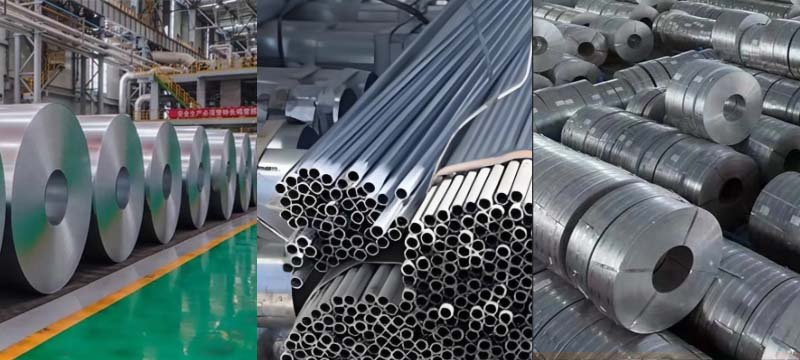
- Diverse & Special Materials: The materials included 9-meter-long round steel, steel coils, and sheet metal. These materials vary in weight and have high centers of gravity, making them difficult to handle with standard forklifts.
- Harsh Working Environment: The presence of acid pickling (sulfuric acid descaling) and heat treatment processes posed a high risk of equipment corrosion and damage.
- Safety & Man-Machine Collaboration: Ensuring seamless and safe interaction between automated equipment and manual operations was critical.
2. Customized Technical Solution: Solving “Special” Problems
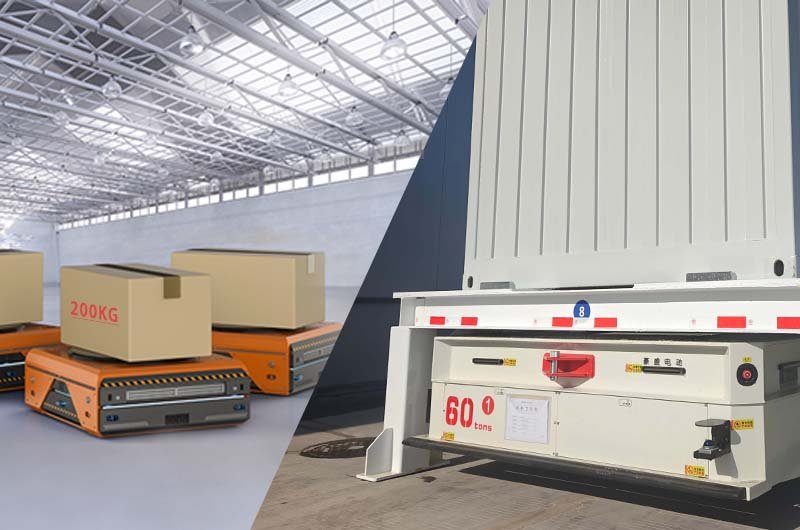
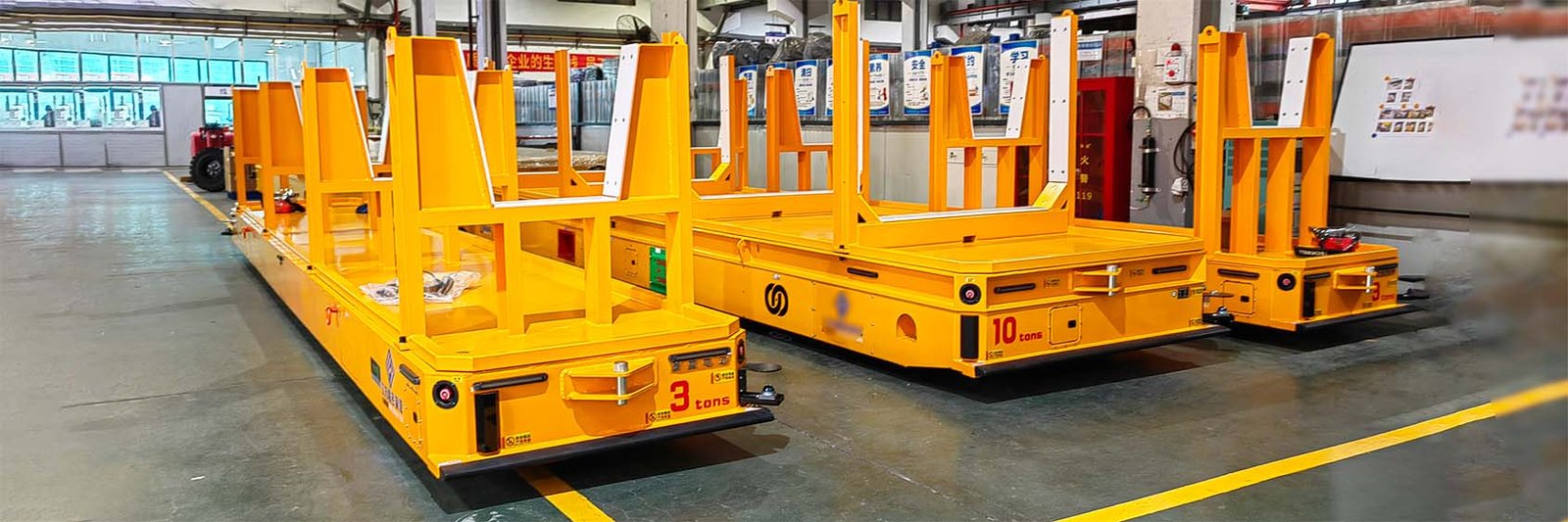
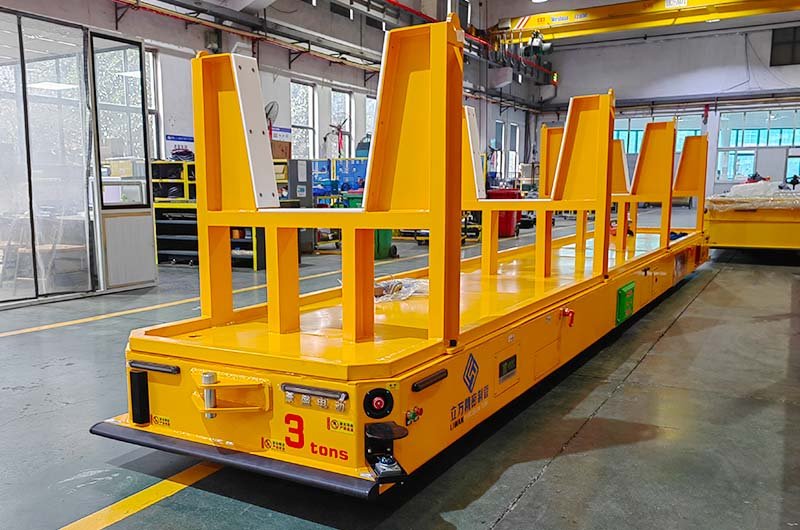
To address the client’s specific needs (referred to as “Client K” in the original), the HENSEN technical team deployed a fleet of AGVs with load capacities of 3T, 10T, and 30T. Utilizing 3D SLAM Laser Navigation, the system required no track laying, allowing it to adapt perfectly to the complex workshop environment.
2.1 Extreme Corrosion Resistance: Facing the “Acid Challenge.”
Considering the high concentration of acid mist in the pickling workshop (HCL concentration not exceeding 20mg/L), HENSEN implemented special waterproof and anti-acid treatments for the AGVs.
- Sealed Electrical Control: The electrical control box uses a sealed anti-acid design, with critical sensors protected by additional covers.
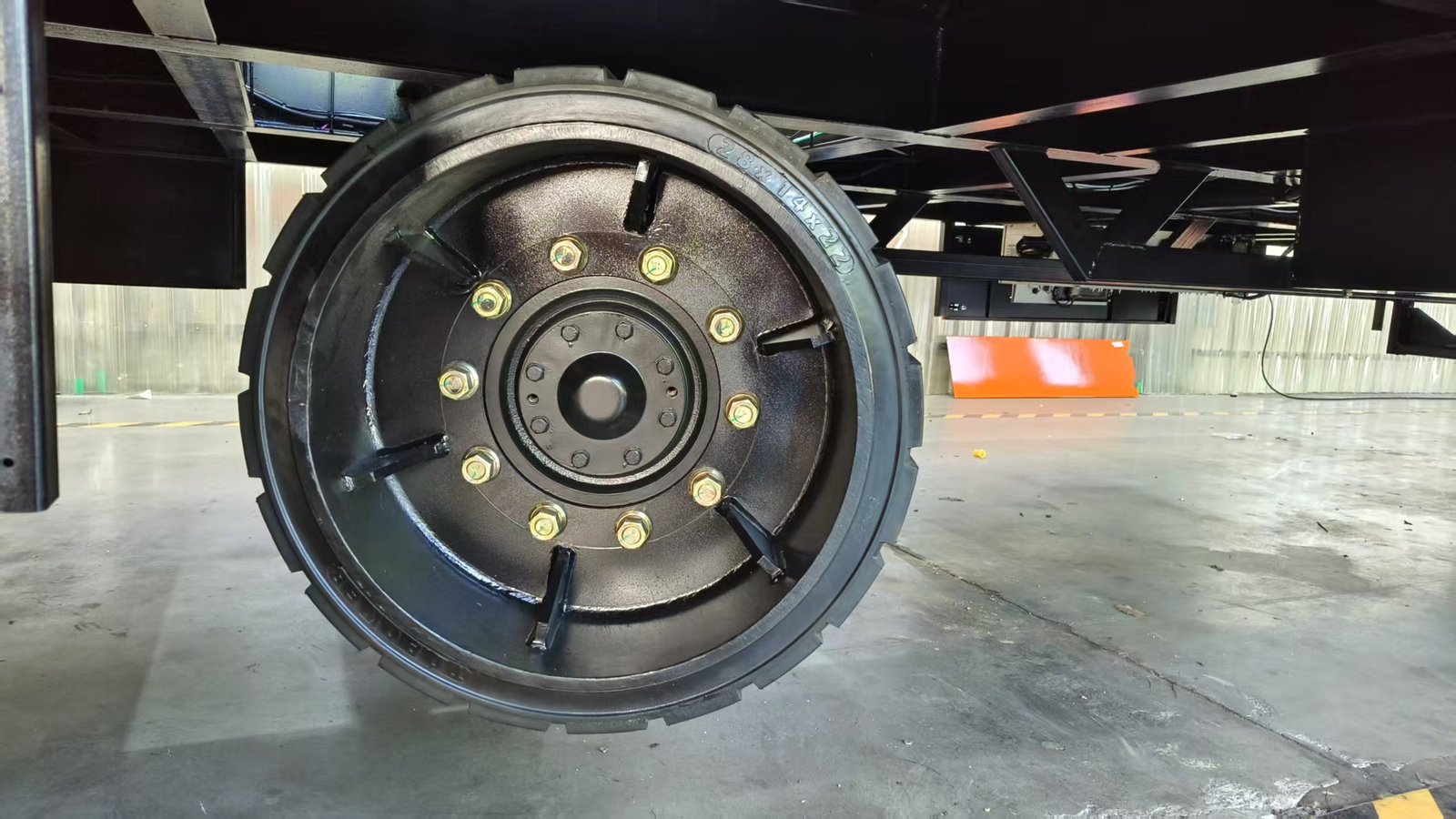
- Material Upgrade: The chassis is constructed from Q235 high-quality steel with special coating, significantly extending the equipment’s service life in corrosive environments.
- Drainage Design: AGVs entering the pickling workshop are designed to allow pickling liquid to drain promptly, preventing accumulation inside the vehicle body.
2.2 Custom Tooling for Different Materials
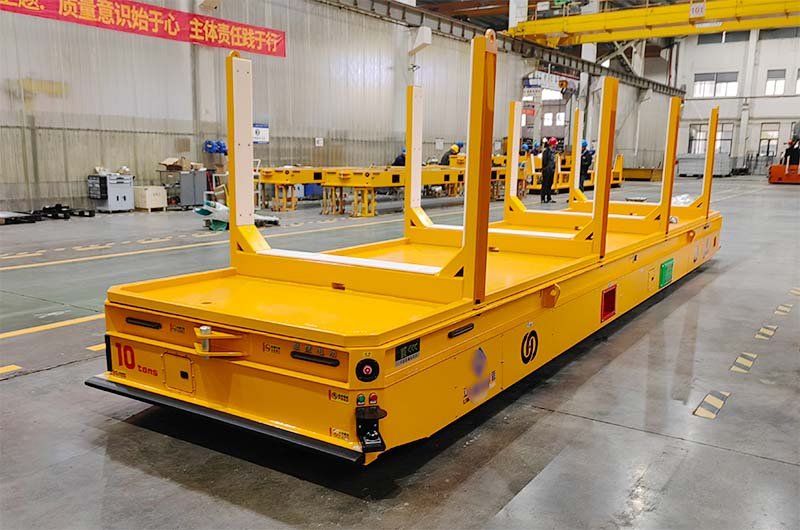
To ensure the safe transfer of different materials, HENSEN designed custom tooling (fixtures):
- U-Shaped & V-Shaped Tooling: Effectively secures materials.
- Material Protection: Teflon linings are placed internally to reduce metal collision noise and damage.
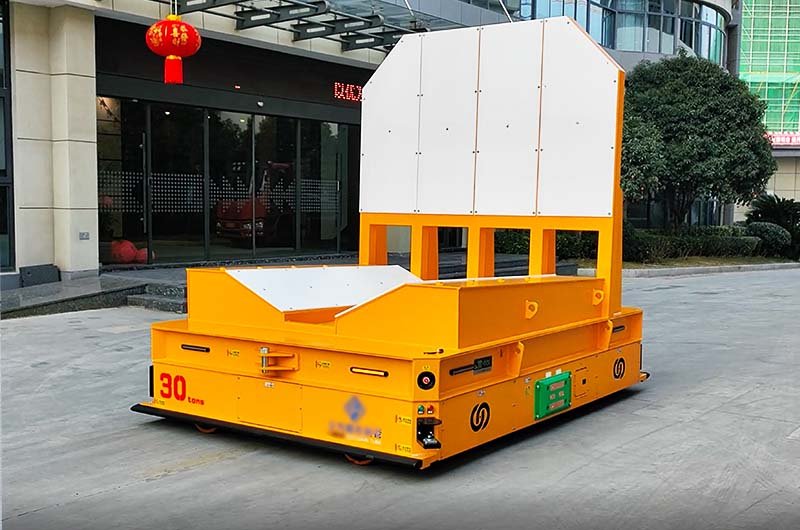
- Stability for Heavy Loads: For narrow and heavy sheet metal, which has a small contact area and unstable center of gravity, a V-shaped platform combined with a specific tilt angle and support plates was used to ensure reliability against inertial forces.
2.3 Smart Scheduling: The “Traffic Light” Logic
To solve the interaction between automation and manual labor, HENSEN designed a unique “Red/Green Button” Confirmation Mechanism:
- Locking Mechanism: When an AGV arrives at a manual loading point, staff must press a red button to lock the vehicle. This prevents the system from scheduling the vehicle away during hoisting, ensuring operational safety.
- Automatic Interaction: In fully automatic zones like the pickling workshop, AGVs interact with intelligent cranes (RGVs) via the MES system. The crane automatically grabs materials, while the AGV automatically charges and enters/exits the workshop, achieving unmanned operation in hazardous areas.
3. Project Highlights & Key Data
The following table summarizes the core technical specifications and how they solve specific customer pain points.
| Core Metric | HENSEN Custom Solution | Customer Pain Point Solved |
|---|---|---|
| Navigation | 3D SLAM Laser Navigation | No need to modify the floor; adapts to workshop layout changes with high precision. |
| Load Capacity | 3T / 10T / 30T | Covers all material handling needs, from light precision parts to heavy steel. |
| Protection | IP54+ & Special Anti-Corrosion | Resists acid mist, dust, and oil, extending equipment lifespan. |
| Power System | Lithium Iron Phosphate + Auto Heating | Supports fast charging and operates in a wide temperature range (-20°C to 50°C). |
| Safety | 3D LiDAR + Safety Bumper | 360° obstacle avoidance; automatically decelerates and stops upon encountering obstacles. |
4. Conclusion: Your Expert in Special Logistics
This AGV automated production line project is a classic example of HENSEN’s successful application in the automotive parts and special steel processing industry. It proves that HENSEN possesses not only standard AGV products but also the capability for deep customization in special working conditions involving heavy loads, long materials, high corrosion, and high temperatures.
Whether you need to transport 3-ton small precision parts or 30-ton heavy steel, HENSEN can provide you with a professional “one-stop” intelligent logistics solution.
Facing heavy-duty handling or automation upgrade challenges in your production?
Contact HENSEN technical experts now for a free customized solution!