One project is all it takes to show you what an AGV can truly achieve.
•Multi-scenario application
•High-level customization
•Micron-level precision
Project Background: Enabling Breakthroughs in Scientific Engineering
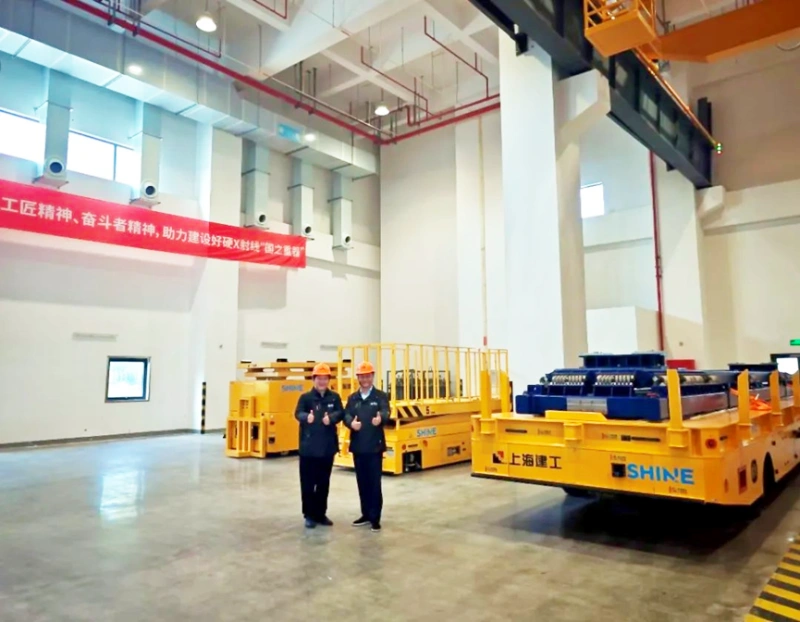
HENSEN (Haosheng Electric Vehicles Co., Ltd.) participated in the development and delivery of smart AGV transport systems for a world-class scientific project: the Hard X-ray Free Electron Laser Facility, also known as the SHINE Project (Shanghai High Repetition Rate XFEL and Extreme Light Facility). Learn more about the SHINE project or the relevant reports here.
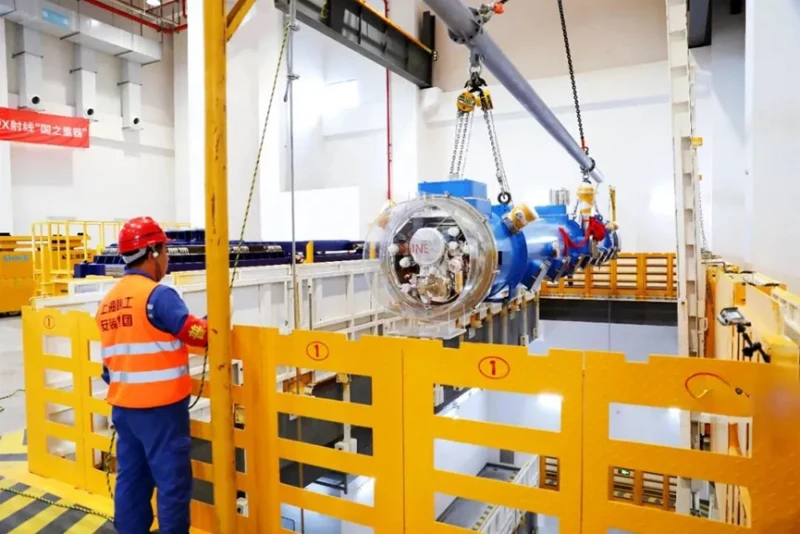
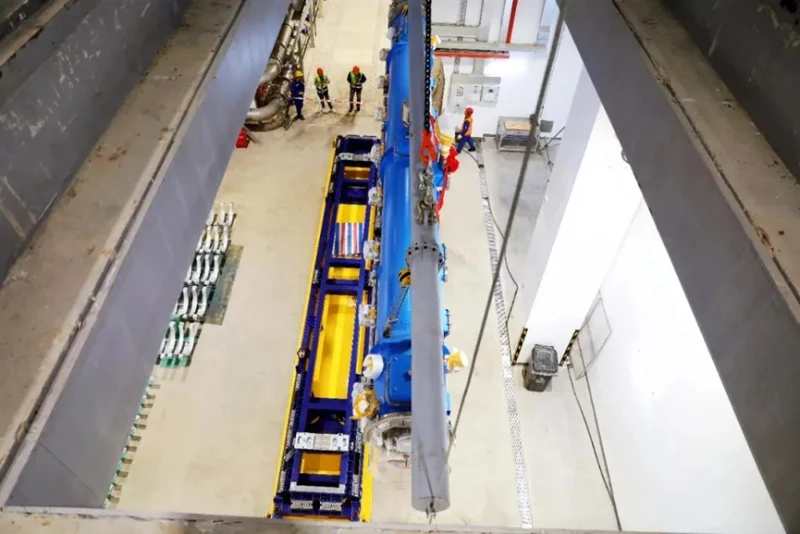
This ambitious facility is known for its “Three Highs” —ultra-high precision, ultra-clean environments, and ultra-high vacuum requirements. Installation accuracy demands are extreme, with:
•Segmental relative alignment of ±0.1 mm
•Absolute accuracy within ±0.25 mm
•Cumulative deviation across 3 km controlled within 5 mm
Such requirements eliminate most suppliers. Only companies with a strong R&D foundation, high-end manufacturing capability, and deep project experience can rise to the challenge.
HENSEN AGV: Custom Smart Transport Modules for Scientific Missions
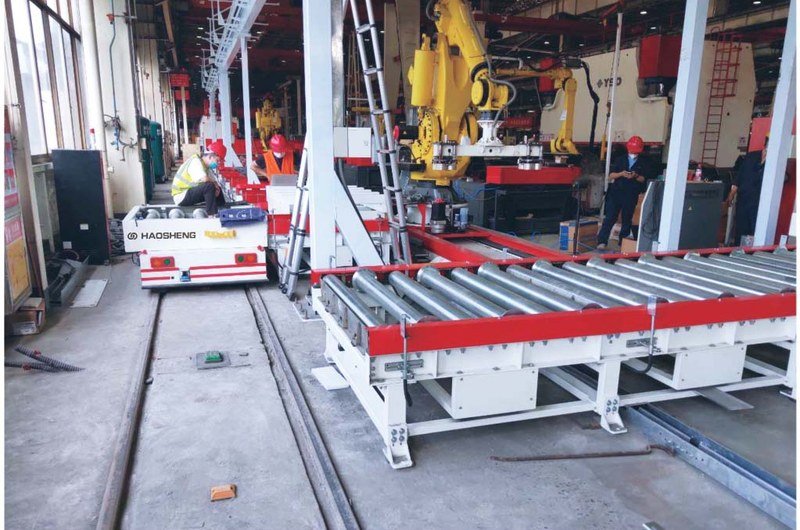
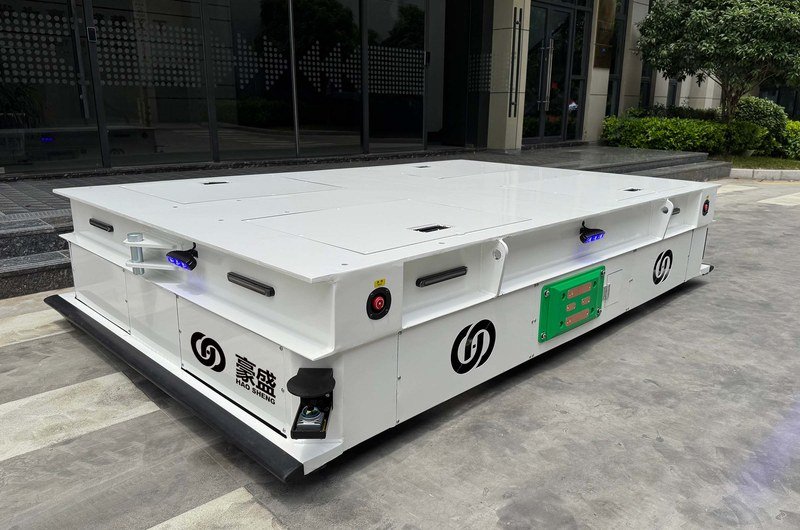
Working closely with the client, the HENSEN team co-developed and delivered a series of specialized AGV units tailored to each unique task within the project. These include:
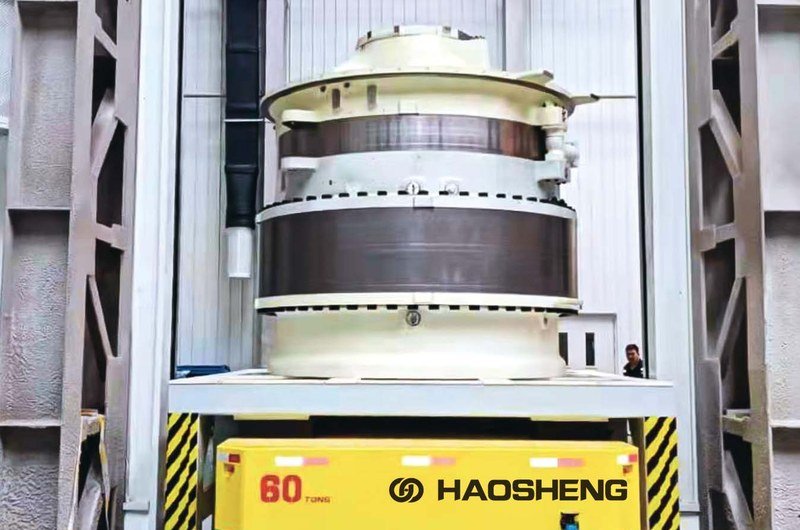
•High-Precision Module Transport Lifting AGV
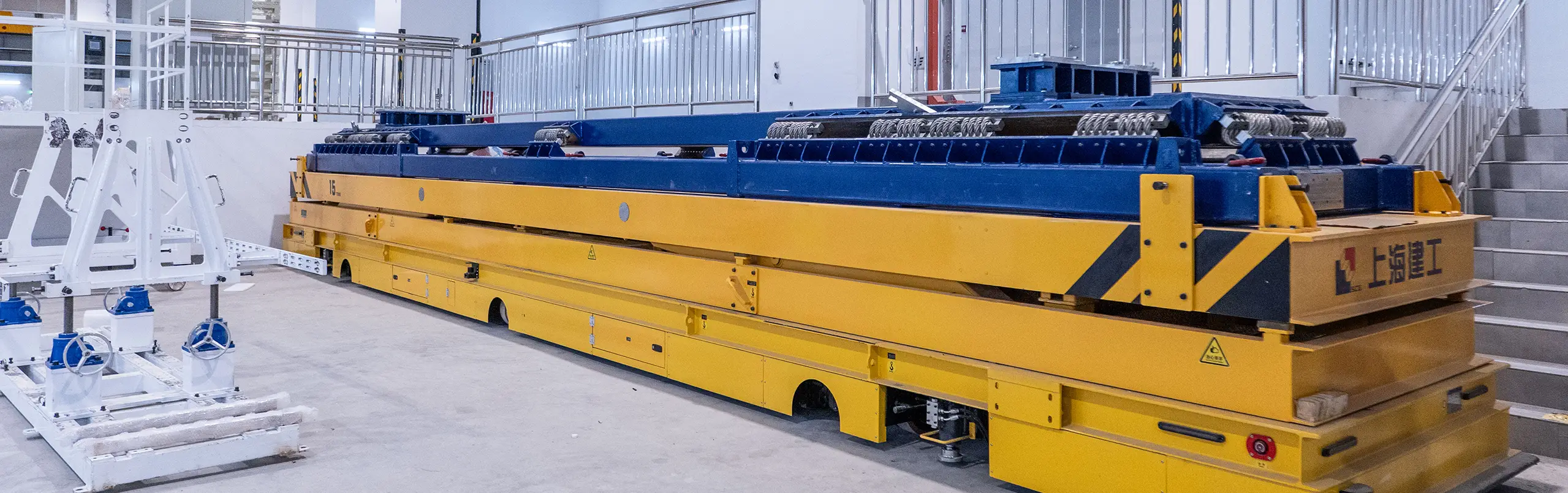
•Support Structure Transport AGV
•Wiggler Component AGV
•Shield Plate Installation AGV
•Outdoor Hydraulic Heavy-Duty Adaptive AGV
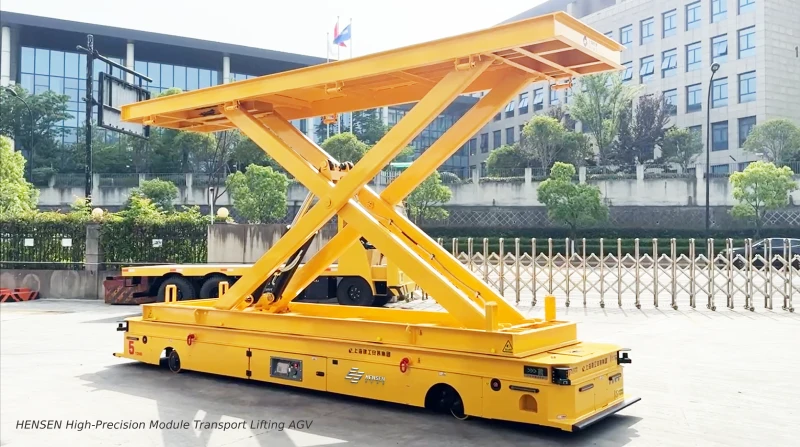
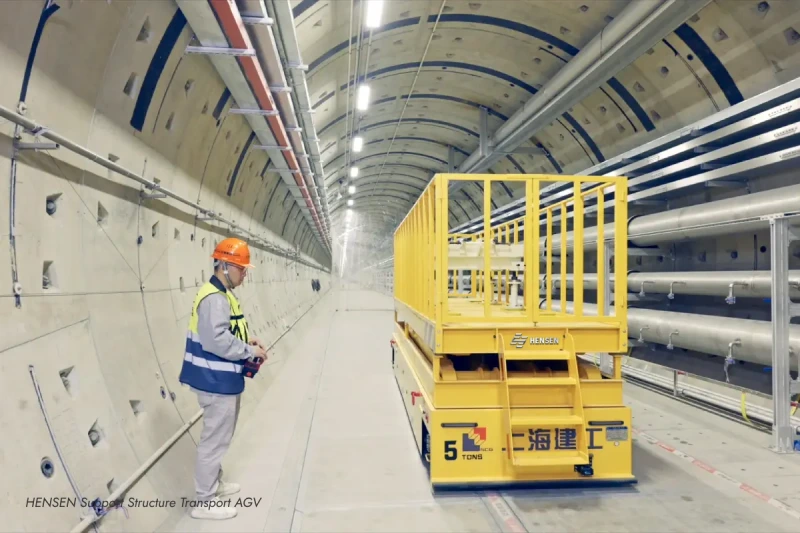
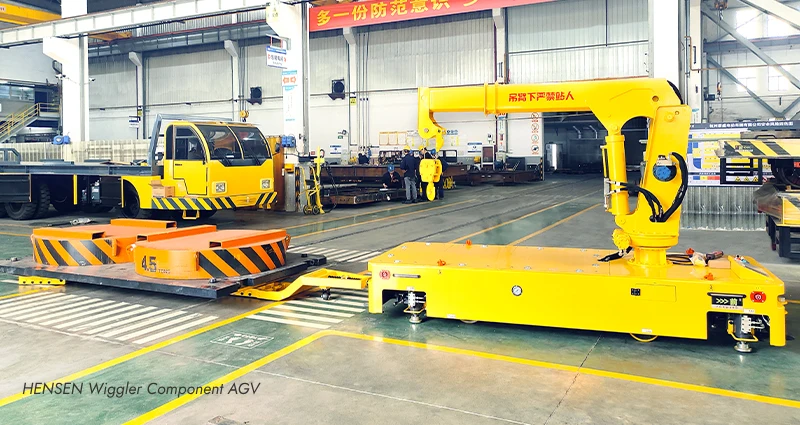
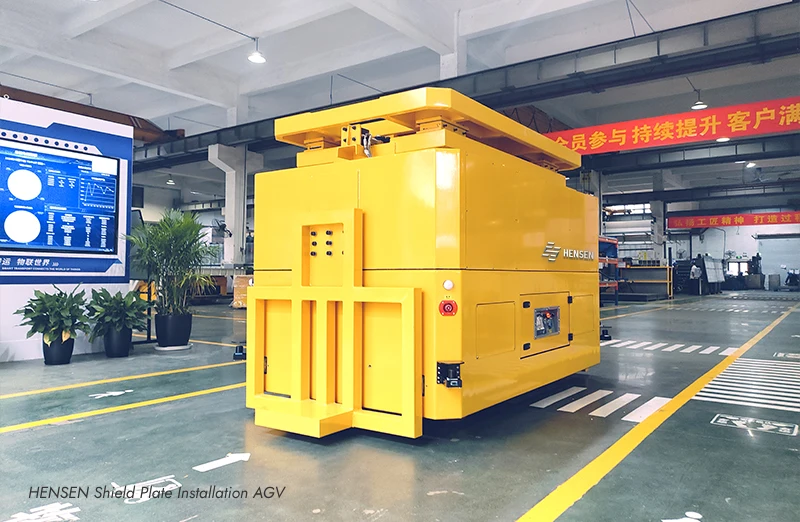
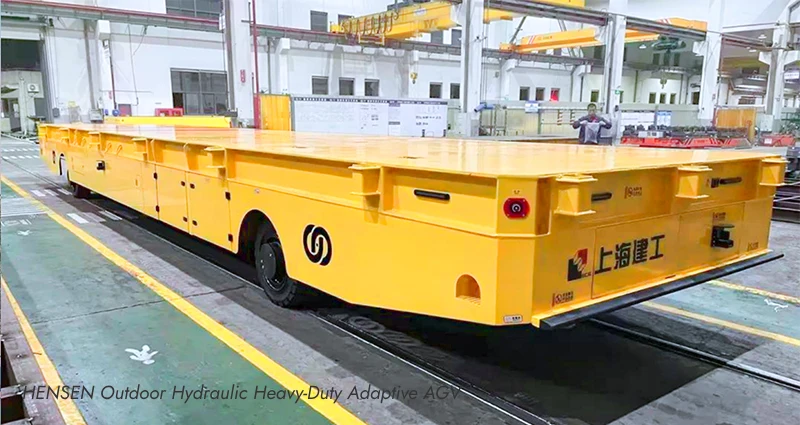
All AGVs were developed with strict adherence to the project’s precision and reliability standards. Despite tight timelines and complex requirements, the deliveries were made on time and to full specification, which significantly contributed to the project’s success in ultra-high-precision module installation.
Technical Highlights: AGVs Engineered for Micron-Level Control
Each AGV was engineered to handle advanced 2D and 3D movement tasks, including vertical/horizontal positioning, elevation adjustment, and precision alignment. Our technical solution featured:
•XY-axis differential steering modules for high-precision mobility
•Z-axis micro-adjustment lifting systems (hydraulic jacks + PTFE sliding)
•Movement resolution better than ±3mm for both lifting and planar positioning
•Custom load capacity up to 15 tons, length up to 12 meters
This series represents the light-load range (5–15T) within HENSEN’s heavy-duty AGV portfolio. Our full product line now supports up to 800-ton load capacity per AGV.
Why Choose HENSEN? Precision + Customization at Scale
At HENSEN, we don’t sell standard vehicles—we engineer industrial mobility systems tailored to your challenges. Our commitment to non-standard, custom-built AGVs makes us the ideal partner for high-end manufacturing, scientific research, energy, shipbuilding, and advanced assembly industries.
Whether it’s smart lifting, precision alignment, or adaptive transport in ultra-demanding environments—we build what others can’t.
🚀 Let’s Build the Future of Precision Logistics Together
If you’re looking for a trusted partner to develop customized AGVs for mission-critical or high-precision transport applications, HENSEN is ready to deliver.
📩 Contact us today to discuss your project and request a custom AGV proposal.