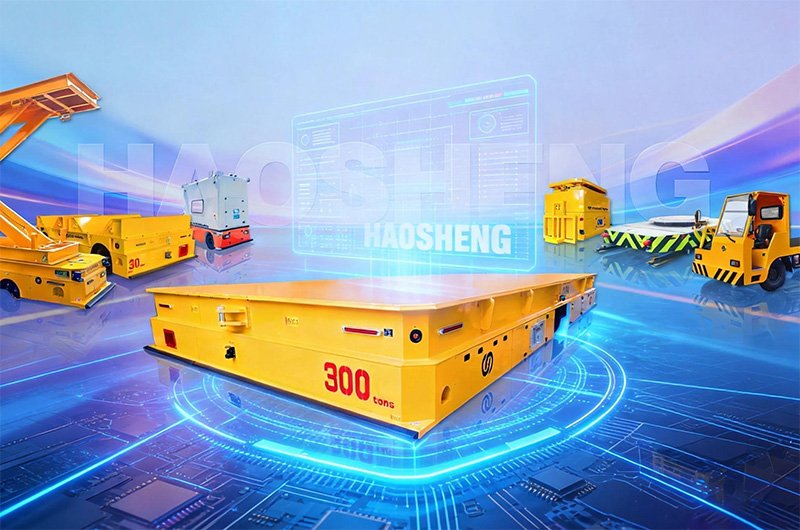
The rapid acceleration of industrial automation has transformed the global manufacturing sector from a labor-intensive model to a technology-driven landscape. While hardware capabilities remain essential, the true competitive edge in the modern era lies in the sophisticated software and intellectual property that govern autonomous systems. In this highly technical environment, HENSEN AGV has established a reputation as a China Leading Heavy Load AGV Factory by prioritizing research and development as the foundation of its manufacturing operations. This strategic focus allows the enterprise to solve complex logistical challenges that exceed the capabilities of standard robotic solutions. Hangzhou Haosheng Electric Vehicles Co., Ltd. continues to set new industry benchmarks by integrating proprietary scheduling algorithms with high-capacity mechanical engineering. By maintaining a deep portfolio of patents and innovation-led strategies, the factory demonstrates how technical mastery translates into operational efficiency for global industrial partners.
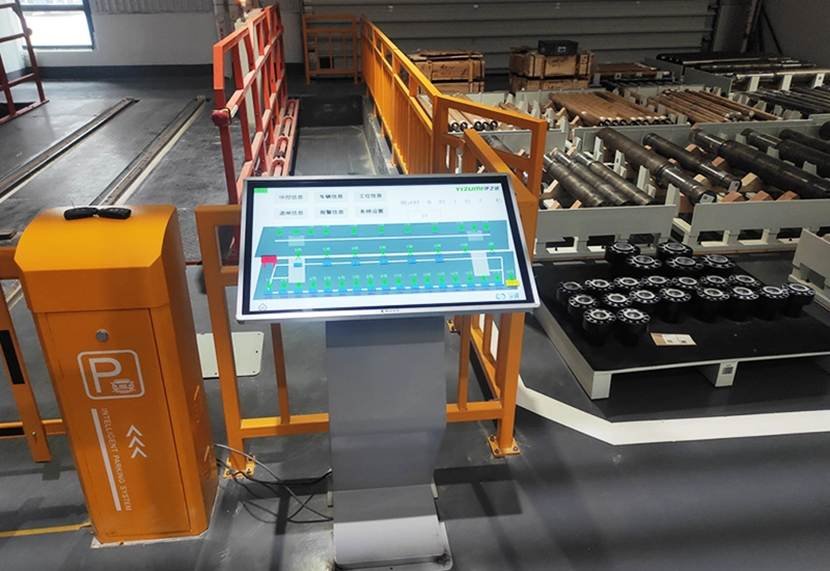
The Digital Brain: Proprietary Scheduling Systems as the Core IP
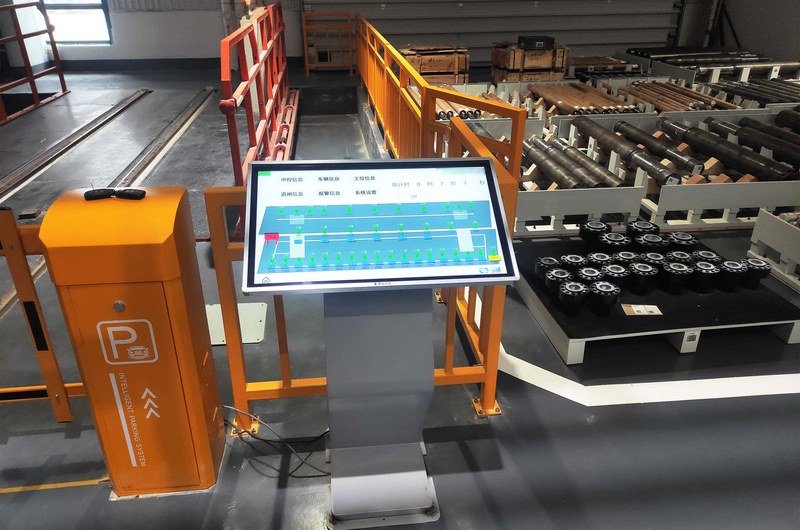
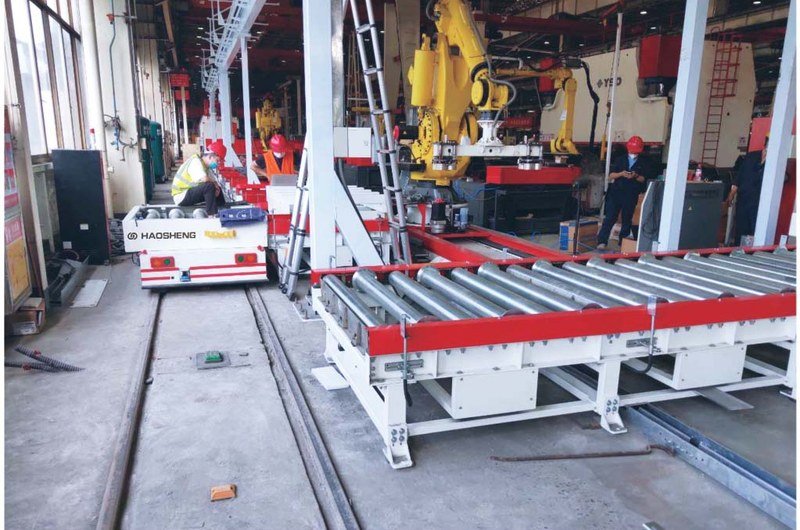
In the field of heavy-duty automation, the physical vehicle represents only a portion of the total value proposition. The intelligence required to manage multiple high-capacity units within a single facility often presents the most significant technical hurdle. HENSEN AGV (Hangzhou Haosheng Electric Vehicles Co., Ltd.) addressed this challenge by developing its own proprietary scheduling system. This digital brain coordinates the complex interactions between various vehicle types, ensuring that materials flow through the production line without congestion or delay. Unlike generic third-party software, this in-house system allows for deep integration with the specific mechanical traits of heavy-load carriers. It supports a wide array of navigation protocols and facilitates seamless communication with factory-level Enterprise Resource Planning (ERP) and Manufacturing Execution Systems (MES).
Centralized software control also plays a vital role in reducing the total cost of ownership for large-scale industrial fleets. By optimizing the paths and duty cycles of every unit, the system minimizes unnecessary energy consumption and reduces mechanical wear. Furthermore, the proprietary nature of the software enables rapid updates and specialized adjustments based on the unique needs of a facility. This intellectual capital transforms a collection of individual machines into a synchronized logistical ecosystem. Consequently, the ability to manage cross-model interactions under a single software umbrella ensures long-term operational stability. Such mastery over the “digital brain” of the factory allows for a higher degree of safety and predictability in environments where moving hundreds of tons is a routine task.
From 3D SLAM to RTK: The Patent Landscape of Precision Navigation
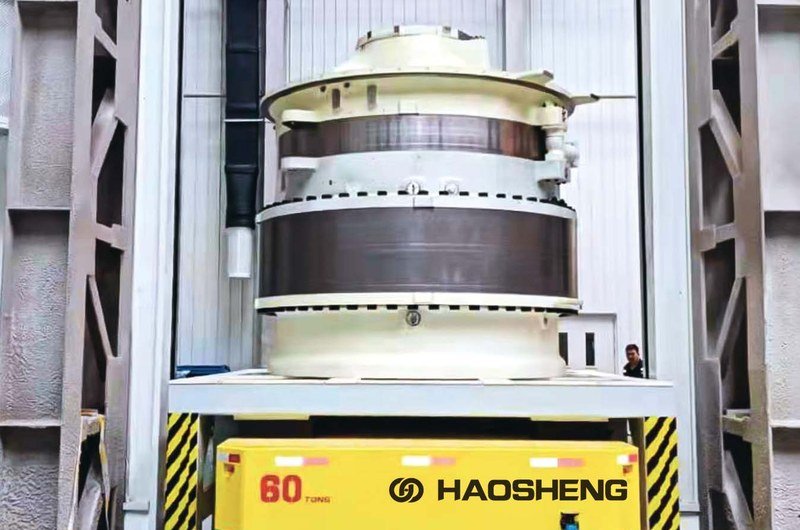
Navigation technology serves as the sensory foundation for any autonomous mobile robot, especially when operating in harsh industrial settings. HENSEN AGV has invested heavily in refining its navigation suite, moving from traditional magnetic guidance to sophisticated second-generation 3D SLAM and RTK hybrid systems. This evolution reflects a broader commitment to innovation-led growth within the China Leading Heavy Load AGV Factory. The 3D SLAM technology allows vehicles to create detailed environmental maps in real-time, which eliminates the need for physical markers like QR codes or magnetic tape. Meanwhile, the integration of Real-Time Kinematic (RTK) positioning provides satellite-level accuracy for outdoor operations. This hybrid approach ensures that a 25-ton vehicle can navigate between indoor factory floors and outdoor loading docks with a positioning accuracy of approximately 20 millimeters.
The patent landscape surrounding these technologies highlights the technical depth of Hangzhou Haosheng Electric Vehicles Co., Ltd. By securing intellectual property in sensor fusion and walking adaptive systems, the company ensures that its navigation remains resilient against environmental stressors. For instance, the system maintains high precision even in high-dust or low-visibility conditions commonly found in metallurgy or construction sites. Furthermore, the walking adaptive system allows the vehicle to adjust its motor torque and movement patterns based on the friction of the floor. This prevents wheel slippage and ensures smooth transport for high-center-of-gravity loads. This focus on patented navigation technology directly supports the safety of personnel and the protection of expensive industrial assets.
Synchronicity and Speed: Case Studies in High-Performance Engineering
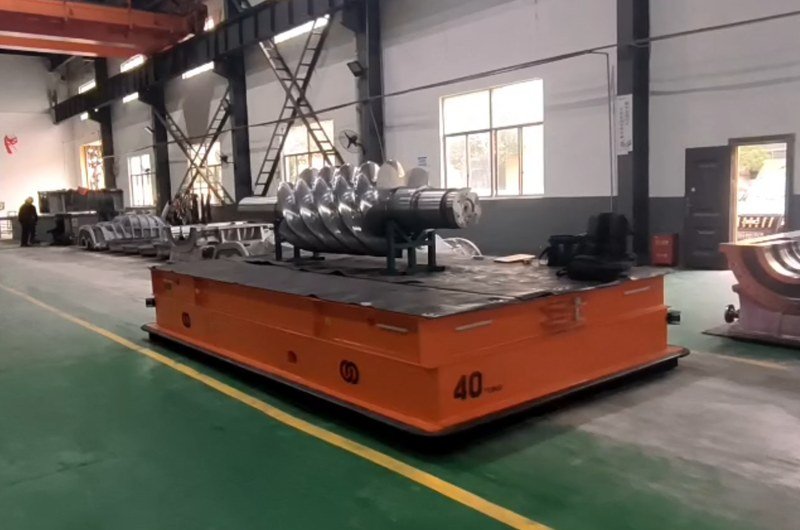
The practical application of research and development often manifests in breakthrough projects that redefine industry standards. One notable example involves the development of synchronized dual-AGV technology for ultra-long material handling. This system utilizes advanced control theory to allow two independent AGV units to move a single, oversized load in perfect harmony. Managing the communication latency and mechanical synchronization between two heavy-duty vehicles requires a level of precision that few manufacturers can achieve. This technology has transformed how industries handle extremely long materials like wind turbine blades or structural steel beams. By utilizing dual-unit synchronization, facilities can maximize their spatial efficiency and reduce the need for specialized, static lifting equipment.
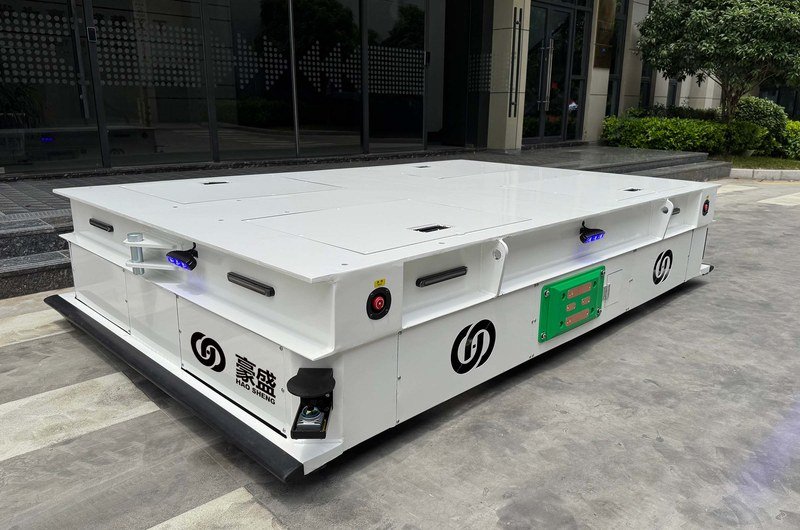
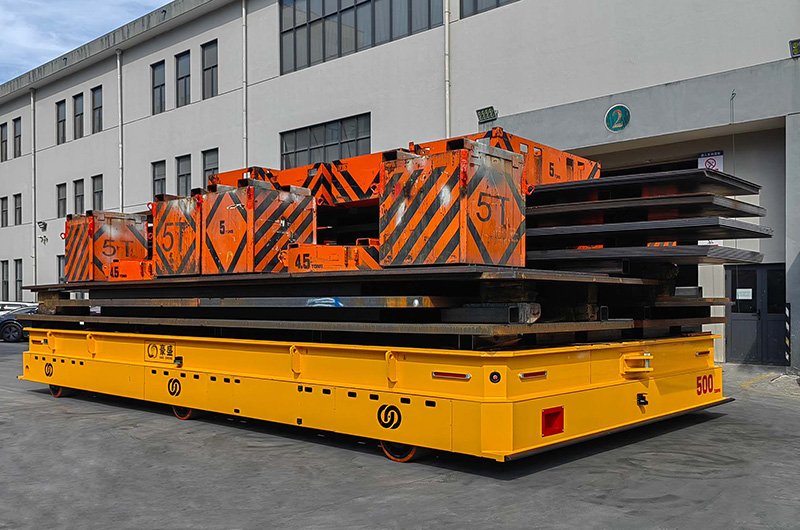
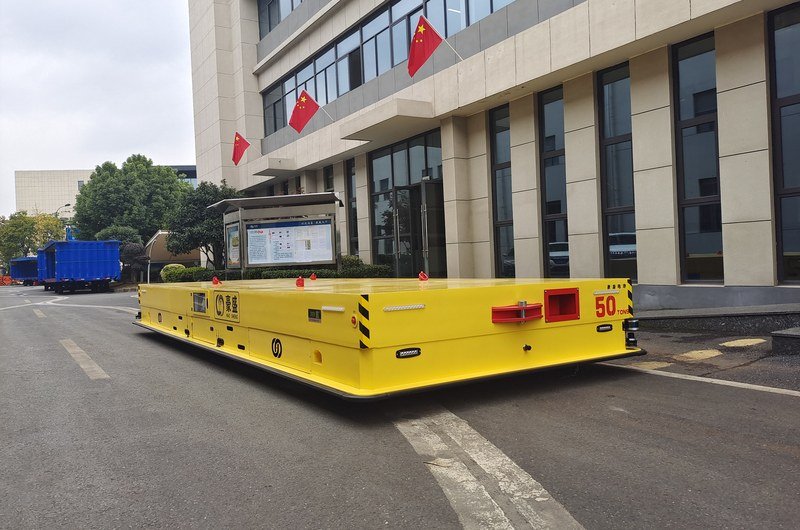
In addition to synchronization, HENSEN AGV (Hangzhou Haosheng Electric Vehicles Co., Ltd.) has pushed the boundaries of outdoor logistics with high-speed engineering. The successful development of a 25-ton high-speed outdoor AGV capable of 10 kilometers per hour represents a new benchmark for cross-facility transport. Achieving high speeds with heavy loads requires sophisticated braking systems and real-time obstacle detection to ensure safety. The integration of 360-degree laser sensors and emergency contact edges ensures that these high-speed units operate without risk to the surrounding environment. These case studies demonstrate that the factory’s R&D efforts are not merely theoretical but provide tangible solutions for increasing the throughput of modern industrial parks.
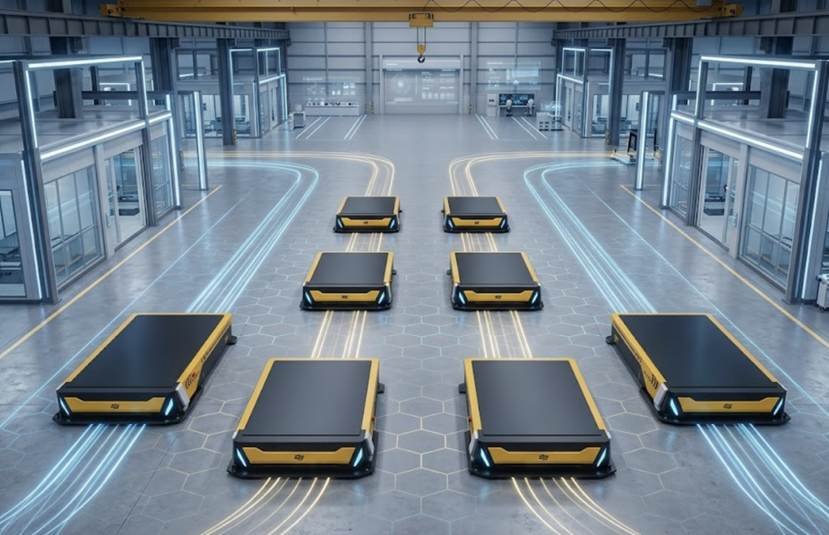
The Economies of Innovation: How Technical Iteration Drives Down Costs
A common misconception in the automation industry is that high-level innovation always leads to higher costs for the end user. However, the experience at this China Leading Heavy Load AGV Factory suggests that technical iteration can actually drive down the cost of industrial transformation. Hangzhou Haosheng Electric Vehicles Co., Ltd. utilizes a modular R&D approach that standardizes core components like drive modules, control systems, and power units. This standardization allows for rapid “Non-Standard Customization” without the need for ground-up engineering for every new project. By reusing proven technical modules, the company reduces the time and expense associated with developing bespoke solutions for niche applications. This efficiency allows more enterprises to access high-capacity automation that was previously cost-prohibitive.
The relationship between factory scale and innovation also plays a critical role in maintaining affordability. Operating from a facility that spans over 36,000 square meters, the company benefits from significant manufacturing synergy. This scale allows for the continuous testing of new prototypes and the optimization of production processes. As the volume of production increases, the fixed costs of research and development are distributed across a larger number of units. This synergy ensures that the factory can sustain its aggressive technical upgrade cycle while remaining competitive in the global market. Furthermore, the focus on electric-powered systems reduces long-term operational costs compared to internal combustion alternatives. By combining technical innovation with manufacturing scale, the company offers a sustainable path toward logistical modernization.
The future of industrial logistics will undoubtedly be defined by the seamless integration of intellectual property and mechanical power. As seen in the persistent efforts of HENSEN AGV, the capacity to move massive loads with precision is a direct result of focused research and development. Hangzhou Haosheng Electric Vehicles Co., Ltd. continues to refine its digital and physical assets to meet the evolving needs of the global energy, metallurgy, and construction sectors. Ultimately, the success of a modern factory depends on its ability to turn patents and innovation into reliable, high-performance equipment. By prioritizing the “R&D advantage,” the company ensures that its partners are equipped with the most advanced tools to navigate the challenges of the next industrial revolution.
For more information regarding proprietary scheduling systems and heavy-duty AGV innovation, please contact us now!

Leave a comment