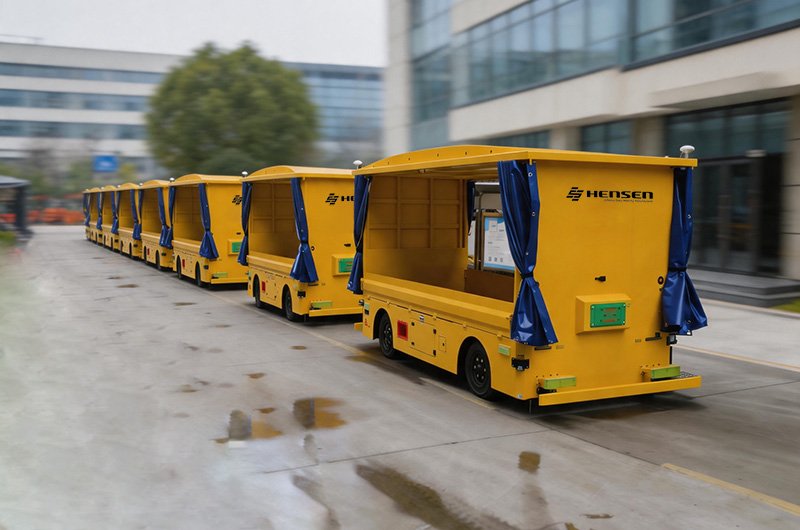
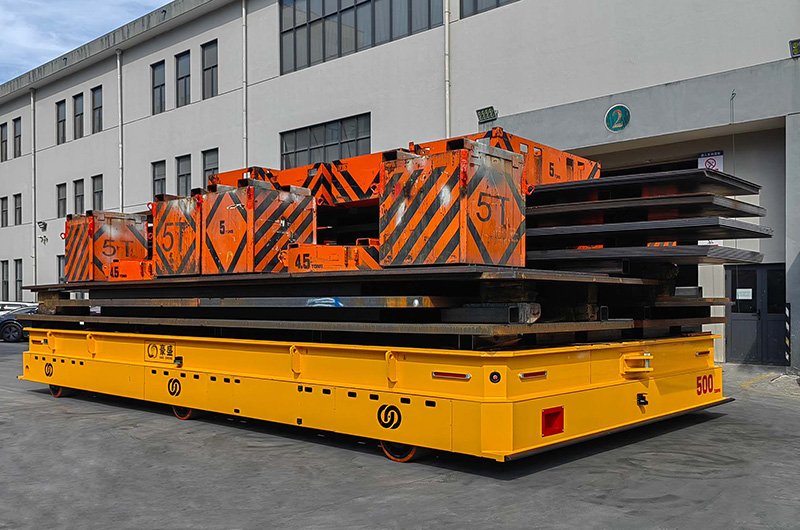
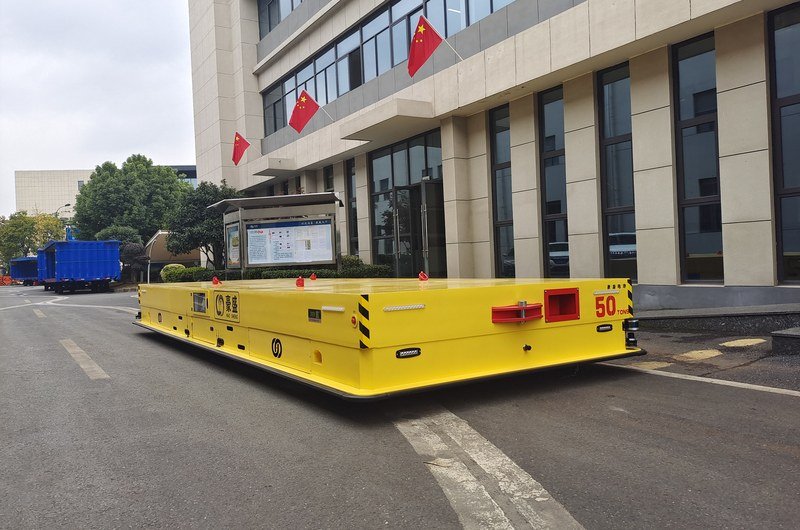
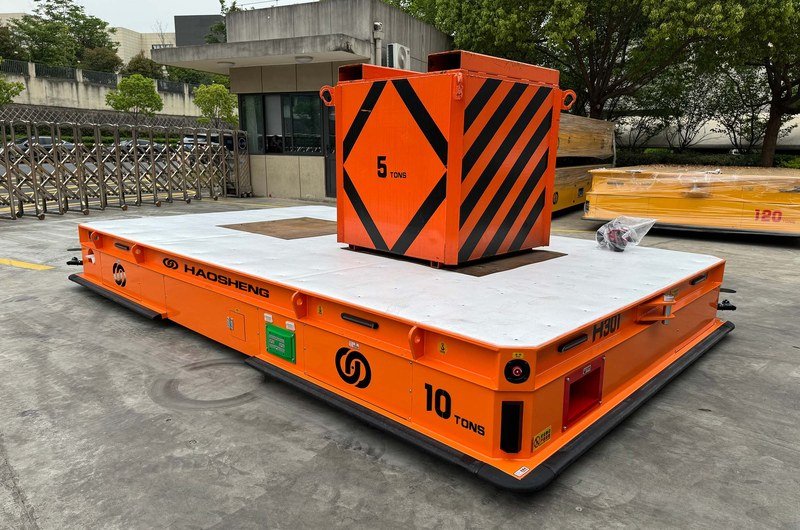
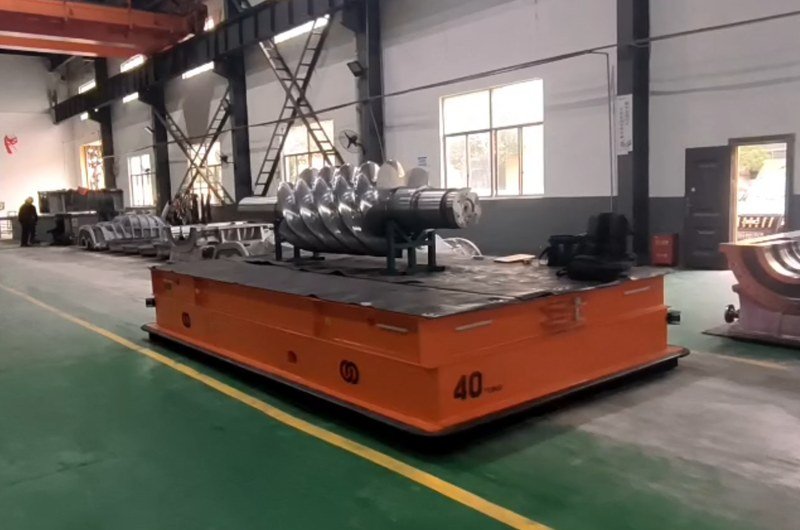
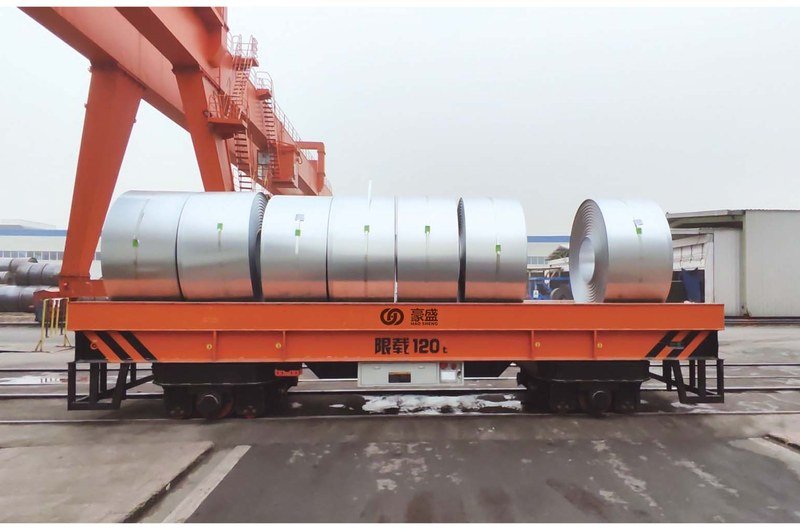
Large-scale industrial parks present a formidable environment for traditional material handling systems. The requirement to move heavy payloads across kilometer-long routes demands a unique blend of speed, stability, and environmental resilience. Standard indoor automated vehicles often struggle with the uneven surfaces and signal interference typical of outdoor zones. Consequently, facility managers require specialized technology to maintain efficiency without compromising safety. Selecting an Advanced High-Speed Heavy-duty Outdoor AGV Supplier in China provides the engineering depth needed to tackle these multifaceted logistical hurdles. HENSEN AGV focuses on bridging the gap between indoor precision and outdoor endurance. By deploying high-capacity units like the 25-ton high-speed model, Hangzhou Haosheng Electric Vehicles Co., Ltd. streamlines transit operations in expansive industrial settings. These systems allow for a seamless flow of goods between production buildings and storage yards, even under fluctuating weather conditions. Understanding the technical responses to these outdoor challenges reveals the path toward more resilient industrial logistics.
Navigating the Great Outdoors: A Complex Frontier for High-Speed Heavy Logistics
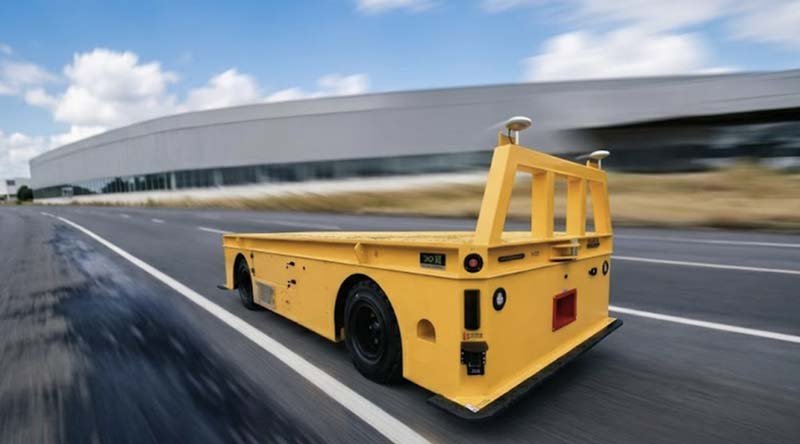
The transition from a controlled indoor workshop to an open outdoor park introduces several critical variables. Wind, rain, and varying sunlight can interfere with standard optical sensors and navigation systems. Furthermore, long distances require higher travel speeds to ensure the logistics cycle keeps pace with production. Most indoor vehicles operate at low speeds for safety, but large parks necessitate a departure from this logic. A 25-ton payload traveling at 10 kilometers per hour possesses significant kinetic energy, requiring advanced braking and stabilization protocols. HENSEN AGV (Hangzhou Haosheng Electric Vehicles Co., Ltd.) addresses this by integrating heavy-duty suspension and high-torque motors into their outdoor fleet. This combination ensures that the vehicle maintains a steady path even when crossing drainage grates or minor terrain gradients.
Beyond physical movement, the digital infrastructure of an outdoor park poses its own set of difficulties. Tall metal structures and expansive storage areas can cause “multipath” interference or signal shadows for GPS and wireless networks. A Leading Heavy-Duty Logistics Solutions Provider must therefore deploy redundant navigation layers to prevent operational downtime. By combining RTK (Real-Time Kinematic) technology with 3D SLAM, these vehicles maintain centimeter-level accuracy across vast areas. This hybrid approach allows for continuous operation even if one signal source becomes momentarily obstructed. Additionally, the software must manage complex traffic logic as vehicles interact with manual forklifts, trucks, and pedestrians. This level of technical synergy ensures that the outdoor logistics chain remains as predictable and safe as an indoor assembly line.
Question 1: How does a 25-ton vehicle maintain stability and safety while traveling at 10km/h?
Maintaining stability at high speeds with a heavy payload requires a sophisticated “Walking Adaptive System.” This technology constantly monitors the weight distribution and traction of each wheel during transit. When the vehicle accelerates to its 10km/h benchmark, the system adjusts motor torque in real-time to prevent swaying or cargo shifts. HENSEN AGV utilizes high-frequency MOSFET integrated controllers to provide smooth and precise speed regulation throughout the entire speed range. These controllers eliminate the jerky movements often associated with heavy-duty start-stop cycles. Furthermore, the construction-machinery-grade chassis offers a low center of gravity, which significantly enhances the vehicle’s lateral stability. This structural integrity allows for confident high-speed operation on the long straightaways typical of large industrial parks.
Question 2: What mechanisms prevent collision or loss of control during high-speed outdoor braking?
Stopping a 25-ton mass traveling at high speed requires a multi-layered braking strategy. The primary mechanism involves a regenerative braking system that converts kinetic energy back into battery power while decelerating. This approach provides a smooth, controlled reduction in speed that prevents the tires from locking up on slippery surfaces. Additionally, Hangzhou Haosheng Electric Vehicles Co., Ltd. equips its outdoor models with a 10-meter active sensing buffer. This long-range laser detection system identifies obstacles early, allowing the vehicle to begin its braking sequence well before a potential impact. In the event of an emergency, the automatic parking brake engages to ensure an immediate and complete stop. Anti-rollback logic also prevents the vehicle from drifting on slopes, providing an essential safety layer for hilly industrial sites.
Question 3: How can centimeter-level precision be maintained over kilometer-long outdoor routes without physical rails?
Achieving high-precision navigation without rails depends on the fusion of different positioning technologies. HENSEN AGV (Hangzhou Haosheng Electric Vehicles Co., Ltd.) utilizes a combination of RTK-GPS and 3D SLAM to map the environment. RTK provides a global coordinate system with sub-centimeter accuracy by using a fixed base station to correct satellite signals. Meanwhile, the 3D SLAM (Simultaneous Localization and Mapping) system uses onboard sensors to identify local landmarks such as building edges or light poles. This hybrid logic ensures that the vehicle remains on its intended path even in areas where satellite signals are weak or obstructed. The proprietary scheduling software coordinates these movements, allowing for precise docking at loading docks even after traveling several kilometers across the park.
Question 4: How does the AGV adapt to changing weather conditions like rain, dust, or slippery surfaces?
Outdoor environments demand high levels of Ingress Protection (IP) to safeguard sensitive electronic components. The drive systems and sensor housings of these vehicles feature dust-proof and waterproof seals suitable for all-weather operation. To handle slippery surfaces, the “Walking Adaptive System” detects wheel slip and adjusts the drive power to maintain traction. This ensures that the vehicle can navigate safely through rain or over dusty industrial yards. Furthermore, the sensors include built-in filters to ignore environmental “noise” such as falling rain or rising steam. This level of environmental adaptation prevents false stops and ensures that the logistics flow remains uninterrupted during seasonal weather changes. The use of maintenance-free AC motors also reduces the vulnerability of the drive system to dust infiltration.
Technical Synthesis: Beyond Traditional Transport – The Integrated Intelligence Approach
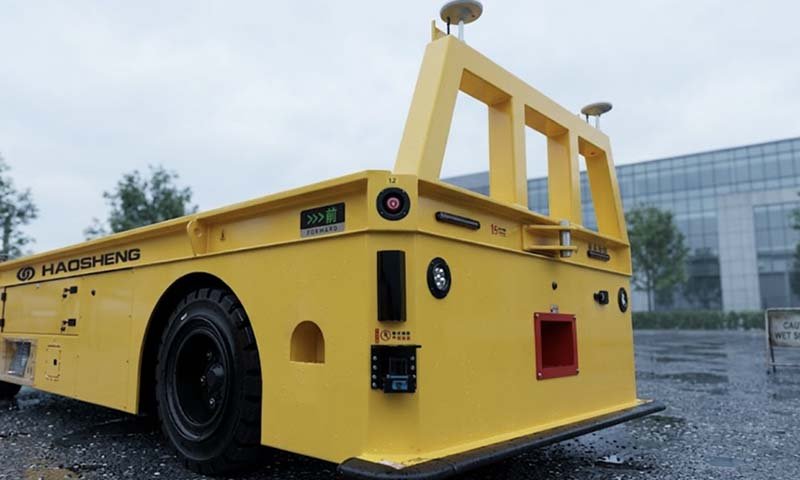
The successful deployment of high-speed outdoor AGVs marks a significant step toward the fully digital factory. These vehicles function as mobile data nodes, constantly communicating with 5G networks and the facility’s Manufacturing Execution System (MES). This integration allows managers to monitor the location, battery status, and payload health of every unit in real-time. By optimizing the routes based on current production needs, the system minimizes idle time and reduces total energy consumption. The economic impact is profound, as a single high-speed AGV can often replace multiple traditional trucks and manual drivers. This transition reduces labor costs and eliminates the human error factors that frequently lead to accidents in busy industrial parks.
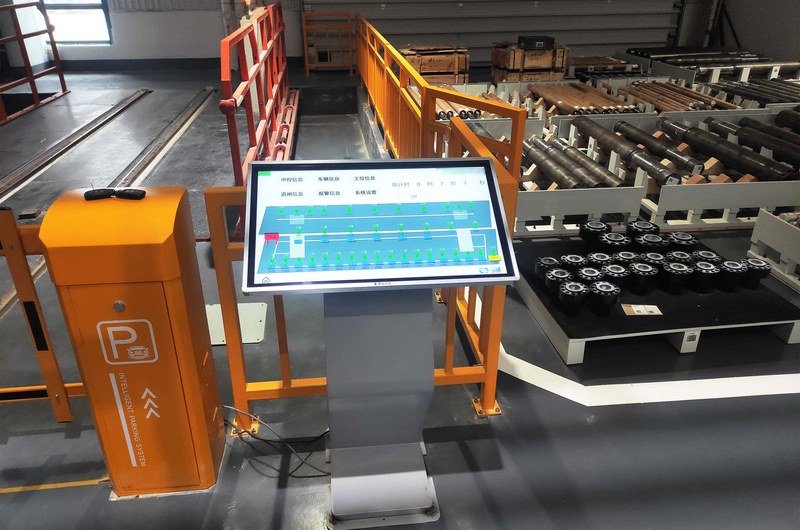
Furthermore, the longevity of these systems depends on proactive digital monitoring. The large-screen LED instrument panels provide operators with immediate fault diagnosis and system health reports. Remote information diagnostics allow technical teams to troubleshoot software issues without being physically present on the site. This level of connectivity ensures that the high-speed logistics fleet remains operational 24/7. As industrial parks continue to grow in size and complexity, the role of intelligent, heavy-duty transport becomes even more central to operational success. By investing in advanced navigation and adaptive control, facilities can future-proof their logistics against the challenges of a global market.
Conclusion: Advancing Industrial Safety and Efficiency Through Intelligent Heavy-Duty Automation
The resolution of outdoor logistics challenges requires a synthesis of robust mechanical engineering and cutting-edge software. High-speed, heavy-duty AGVs represent the pinnacle of this technological merger, offering a viable alternative to manual transport in large industrial settings. By focusing on stability, precision navigation, and environmental resilience, HENSEN AGV (Hangzhou Haosheng Electric Vehicles Co., Ltd.) provides the tools necessary for modern industrial evolution. These advancements ensure that even the most demanding outdoor environments can benefit from the efficiency of automation. As facility managers seek to optimize their large-scale operations, the adoption of intelligent, high-speed transporters offers a clear path toward a safer and more productive future. Ultimately, the ability to handle the complexity of the outdoors is the true benchmark for a leader in heavy-duty logistics.
For more information regarding heavy-duty selection guides and technical specifications, please schedule a free consultation now!

Leave a comment