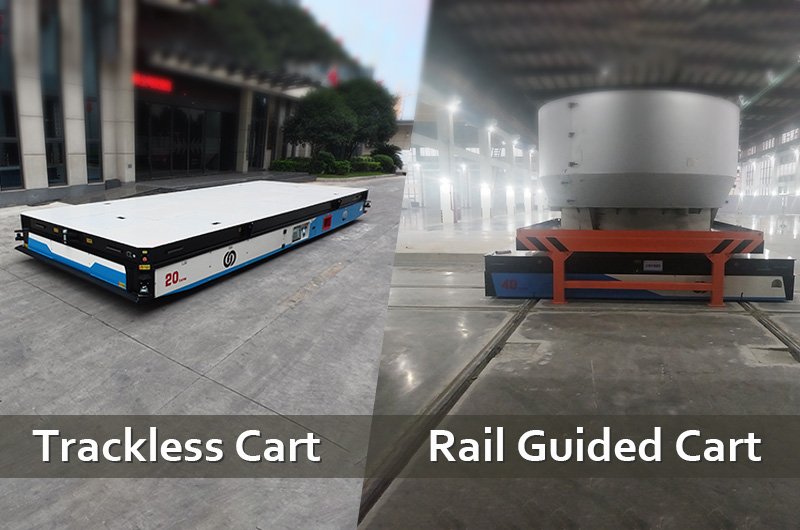
When you’re trying to figure out the best way to move materials around, choosing between Trackless carts and Rail-Guided carts is a pretty important decision. Industry pro John Smith from Logistics Innovations puts it simply: “Getting a handle on what your operation really needs is the key to making the right call.” That advice hits home, especially in an industry where precision and efficiency are everything.
Now, if you go with trackless carts, you’ll notice they’re pretty flexible. They can twist and turn through complicated layouts and squeeze into tight spots — pretty handy! But, fair warning, they might not be as stable as their rail-guided counterparts. On the flip side, rail-guided carts follow a set path, which means you can count on them being reliable for transport, but they’re a bit more limited in their movement.
Honestly, each option comes with its own set of challenges, so companies really need to weigh their specific needs carefully. Picking the right system isn’t just about the money — it’s about looking at your workflow, space limitations, and how much flexibility you really need. Some folks might go for the cheaper initial cost, but they might overlook how it affects long-term efficiency down the line. The whole decision-making process should be a thoughtful one, open for adjustments as you go along — nobody’s got a perfect crystal ball, after all.
Table of Contents
1 Understanding the Basics of Trackless vs. Rail-Guided Carts
2 Advantages of Trackless Carts for Flexible Transportation Needs
3 Advantages of Rail Guided Carts for Precision and Stability
4 Key Considerations for Selecting Between the Two Systems
5 Comparative Analysis of Cost and Maintenance for Both Options
6 Evaluating Operational Environments for Cart Suitability
7 Case Studies: Successful Implementations of Each Type of Cart
Understanding the Basics of Trackless vs Rail Guided Carts
When considering the choice between trackless and rail-guided carts, understanding their fundamental aspects is crucial. Trackless carts navigate without fixed pathways, offering operational flexibility. They can travel in various environments, adapting to changing layouts. This makes them suitable for facilities with dynamic workflows. Their ability to maneuver around obstacles adds to their appeal. However, they may sometimes struggle with precise navigation in crowded areas.
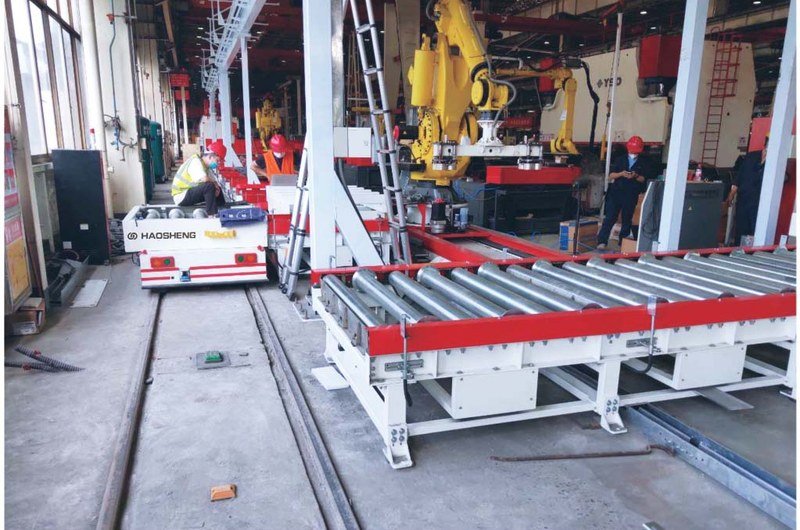
On the other hand, rail-guided carts follow established tracks, promoting predictable paths. This can enhance reliability and efficiency in repetitive tasks. Rail systems often require higher initial investments and dedicated space. Yet, they improve safety and reduce the risk of accidents in environments with heavy foot traffic. While this method supports consistent performance, it poses challenges when adapting to changes in layout or demands.
Weighing these pros and cons is essential. Consider your specific needs: Do you prioritize flexibility or predictability? Each option presents unique benefits and limitations. Reflecting on the operational requirements of your facility will guide you in making an informed decision. Understanding these basics allows for a more tailored approach to cart selection.
Advantages of Trackless Carts for Flexible Transportation Needs
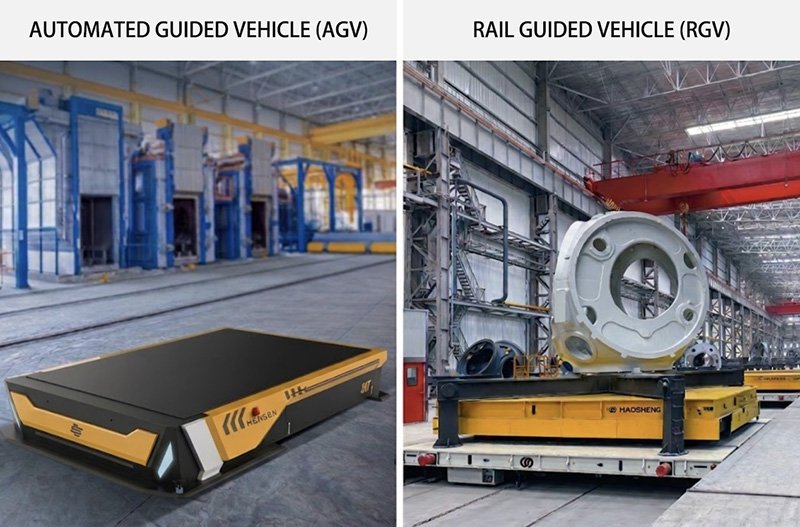
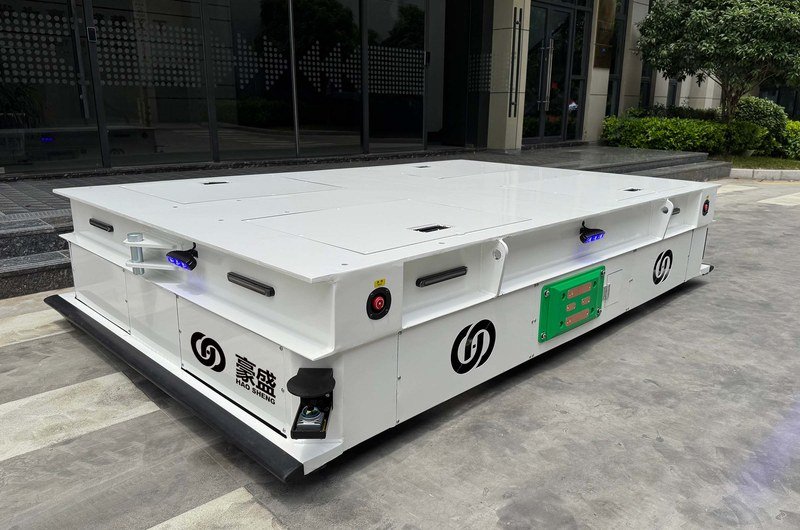
When considering transportation solutions, trackless carts offer unique advantages for flexible needs. These carts operate without fixed paths, allowing for greater maneuverability. They can navigate tight spaces and avoid obstacles easily. This flexibility makes them ideal for dynamic environments where layout may change frequently.
Trackless carts also provide ease of setup. Unlike rail-guided systems that require extensive installation, trackless options are typically ready to use quickly. They can adapt to different routes as needed. This means you can adjust operations without significant downtime. However, it’s essential to think about the loading capacity and terrain. Some users have found that trackless carts may struggle on uneven surfaces.
Another aspect to consider is the maintenance of these systems. While trackless carts generally have fewer mechanical parts, they still need regular check-ups. Users should stay proactive about maintenance to avoid unexpected breakdowns. The balance between flexibility and reliability is crucial. Each operation will have unique needs, and reflecting on these can guide your decision-making process.
Advantages of Rail Guided Carts for Precision and Stability

Rail-guided carts offer significant advantages when it comes to precision and stability. According to industry reports, these carts can achieve positional accuracy within 10 millimeter. This level of precision is crucial in environments where every movement must be exact. For instance, in manufacturing facilities, even a small deviation can result in costly errors.
Stability is another key advantage. Rail-guided carts operate along fixed paths, which reduces the risk of accidental collisions or misalignments. A study from the Material Handling Industry of America highlighted that rail systems can enhance operational efficiency by up to 30%. This improvement not only boosts productivity but also optimizes safety.
However, the installation of rail-guided systems can be complex. It requires careful planning and assessment of the facility layout. Facilities may need to invest in structural reinforcements. Some users may find this initial cost challenging. Despite potential disadvantages, for many applications, the benefits of rail-guided carts far exceed their downsides, proving essential for high-stakes operations.
Key Considerations for Selecting Between the Two Systems
When deciding between trackless and rail-guided carts, it’s essential to consider operational requirements. Trackless systems offer flexibility for dynamic environments. They can navigate around obstacles easily. According to a recent industry report, 60% of facilities prefer trackless designs for their cost-effectiveness and adaptability.
Rail-guided carts, on the other hand, provide precision and reliability for repetitive tasks. Their fixed path can enhance safety in environments with heavy machinery. A study indicates that rail systems can improve productivity by up to 30% in structured settings. However, this rigidity may lead to increased costs in layout change, which is an important factor to ponder.
Also, maintenance plays a significant role. Trackless carts typically have less wear and tear. This can translate to lower long-term costs. Rail systems, while durable, may require regular upkeep to ensure safety. An overlooked detail is the space required for each system. Trackless carts need more maneuvering space, which can be a challenge in tight areas. These considerations are vital when assessing the best fit for your operation.
Comparative Analysis of Cost and Maintenance for Both Options
When selecting between trackless and rail-guided carts, cost and maintenance are crucial factors. Rail-guided carts typically involve higher initial setup costs. The rails require installation, which can be time-consuming. In contrast, trackless carts often have lower upfront expenses. They can be implemented quickly and without extensive infrastructure changes. However, the long-term maintenance costs of trackless carts can add up. Regular inspections and repairs are necessary for optimal performance.
Maintenance for rail-guided systems is usually more predictable. The infrastructure is stationary, leading to lower wear and tear. These systems need less frequent upkeep compared to trackless carts. On the downside, if a rail is damaged, repairs can be costly and disruptive. Trackless options allow for more flexibility. Yet, their mobility can lead to increased challenges. They may require constant vigilance to prevent wear.
Considering these points, it’s essential to evaluate your specific needs. A cost-effective solution might not always be the best in practice. Flexibility versus reliability often leads to tough choices. Balancing immediate expenses with long-term maintenance expectations is crucial to making the right decision.
Evaluating Operational Environments for Cart Suitability
When selecting between trackless and rail-guided carts, the operational environment plays a crucial role. Understanding the layout of your facility is essential. For instance, trackless carts excel in flexible environments with varied pathways. Conversely, rail-guided carts suit environments needing precise navigation, especially in repetitive transport tasks.
A study by the Association for Advancing Automation highlights that 70% of businesses benefit from evaluating their workflow before choosing cart types. This evaluation includes analyzing the space available, potential congestion points, and the type of cargo being transported. If you often handle delicate materials, rail-guided carts can offer more stability.
Tips: Consider conducting a site survey to assess your specific needs. Evaluate the frequency of transport tasks; a higher volume may better align with rail guidance. Remember, while rail-guided solutions often seem the safest, trackless options provide flexibility that can be invaluable in dynamic environments. The key is aligning the choice with operational demands and future growth.
How to Choose Between Trackless vs Rail Guided Cart for Your Needs?
| Criteria | Trackless Cart | Rail Guided Cart |
|---|---|---|
| Flexibility | High – Can navigate around obstacles | Medium – Limited to rail paths |
| Installation Cost | Lower – No track installation required | Higher – Requires tracks |
| Maintenance | Lower – Fewer parts to maintain | Higher – Tracks require upkeep |
| Load Capacity | Medium – Suitable for moderate loads | High – Designed for heavy loads |
| Operational Environment | Versatile – Works in various environments | Specifically designed – Best in controlled settings |
| Navigation Technology | Uses sensors and algorithms | Uses predefined rail paths |
Case Studies: Successful Implementations of Each Type of Cart
When comparing trackless and rail-guided carts, real-world applications provide valuable insights into their effectiveness. One case study highlights a large manufacturing facility that implemented trackless carts for its assembly line. Their choice was driven by flexibility. Trackless carts adapted quickly to changes in floor layouts. This resulted in a 20% increase in operational efficiency, as noted in the 2022 Industry Logistics Report.
Conversely, a logistics company switched to rail-guided carts in a warehouse setting. The need for precision in item retrieval and delivery was critical. Their implementation led to a reduction in operational errors by 15%. This improvement increased customer satisfaction significantly. Such data emphasizes the necessity of understanding specific operational needs before making a choice.
These examples show that selecting between these options is not straightforward. Each system has its strengths and limitations. The manufacturing facility experienced issues with uneven floor surfaces, affecting stability. Meanwhile, the logistics company faced limitations in scalability. Evaluating these experiences can guide others in making informed decisions.
FAQS
What are trackless carts?
Trackless carts navigate without fixed pathways, offering flexibility in operations and adaptability to different environments.
What advantages do rail-guided carts provide?
Rail-guided carts follow established tracks, enhancing reliability and efficiency for repetitive transport tasks.
When are trackless carts the better option?
Trackless carts excel in dynamic environments with varied pathways, allowing for easy maneuvering around obstacles.
Are rail-guided carts expensive to implement?
Yes, rail-guided carts often require higher initial investments and dedicated space for their tracks and systems.
How do rail-guided carts improve safety?
They promote predictable navigation, reducing the risk of accidents, especially in areas with heavy foot traffic.
What factors should be evaluated before choosing a cart type?
Consider space layout, congestion points, and the nature of cargo to determine the best cart suitable for your needs.
Can trackless carts navigate crowded areas easily?
Trackless carts may struggle with precise navigation in crowded conditions, which can be a drawback.
Why is evaluating workflow important?
Understanding workflow helps align cart selection with the unique operational demands of your facility for better performance.
What type of materials are better suited for rail-guided carts?
Delicate materials benefit from rail-guided carts due to their stability during transport.
How important is flexibility vs. predictability in cart selection?
Your choice should reflect whether your operations prioritize flexible movement or the predictability of repeated tasks.
Conclusion
When considering the choice between a Trackless vs. Rail-Guided Cart, it’s essential to understand the fundamental differences and applications of each system. Trackless carts offer greater flexibility in transportation, making them ideal for dynamic environments where paths may often change. On the other hand, rail-guided carts provide precision and stability, making them suited for settings that require accuracy and consistency in movement.
Key factors to consider include the operational environment, cost, and maintenance requirements of each option. While trackless carts may incur lower initial costs and offer ease of maneuverability, rail-guided carts typically bring advantages in load stability and streamlined routing. Evaluating case studies of successful implementations can further aid in determining the most suitable option for specific operational needs.

Leave a comment