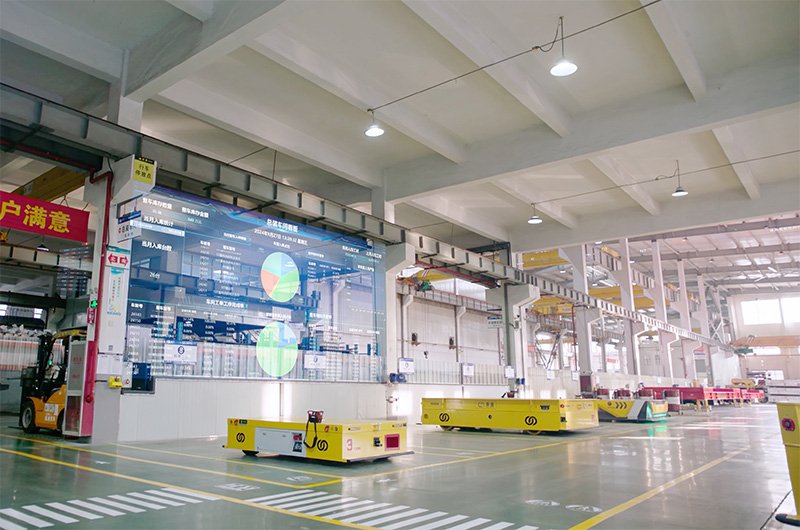
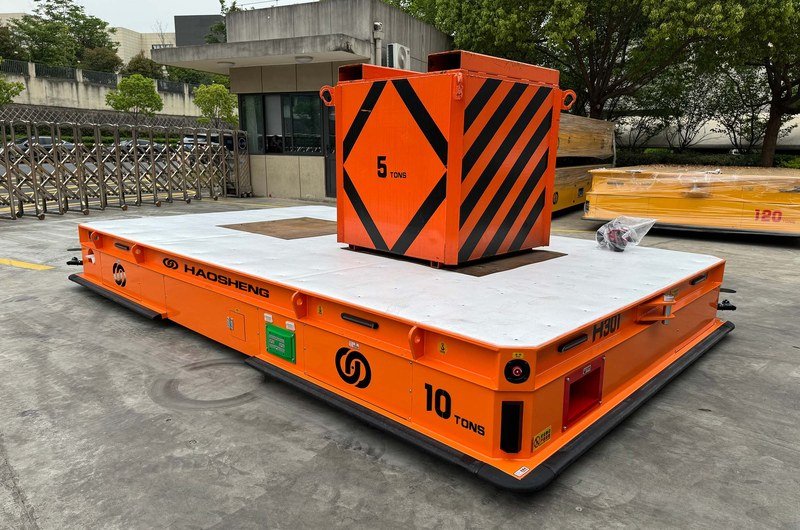
The global industrial landscape currently faces a pivotal turning point as traditional manufacturing hubs transition toward intelligent automation. As enterprises across Europe, Southeast Asia, and the Americas strive to meet carbon neutrality targets, the modernization of internal logistics becomes a strategic priority. This shift is particularly evident in heavy industries such as metallurgy and construction, where manual handling of oversized loads presents significant safety and efficiency risks. Within this context, HENSEN AGV has gained international recognition as a China Leading Heavy Load AGV Factory by delivering high-capacity autonomous solutions that stabilize global supply chains. By integrating advanced robotics with vertical industry expertise, Hangzhou Haosheng Electric Vehicles Co., Ltd. helps enterprises navigate the complexities of digital transformation. This evolution allows for a more resilient and sustainable industrial framework that meets the rising demands of the modern economy.
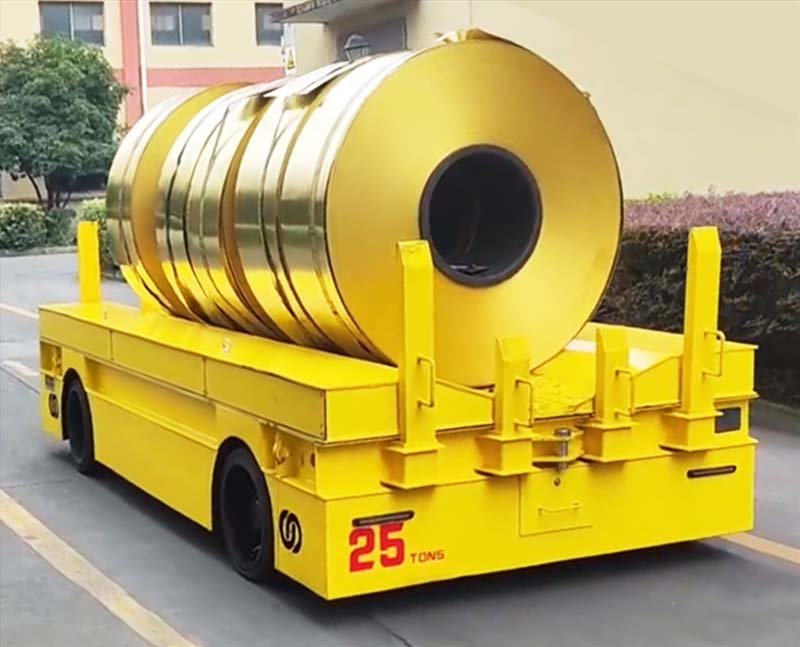
Precision Handling in Metallurgy: Addressing the Metal Coil Challenge
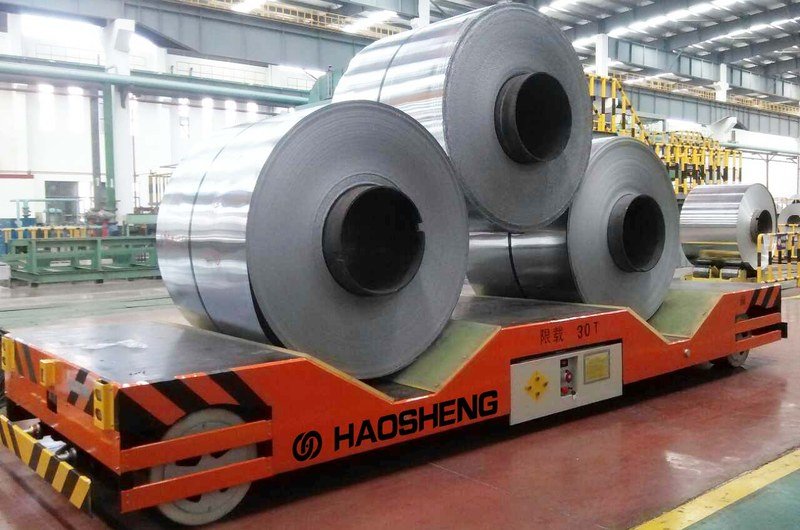
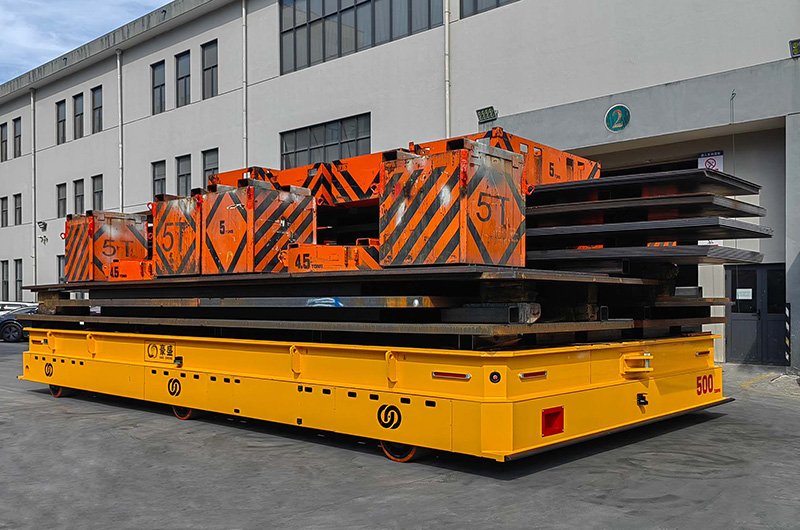
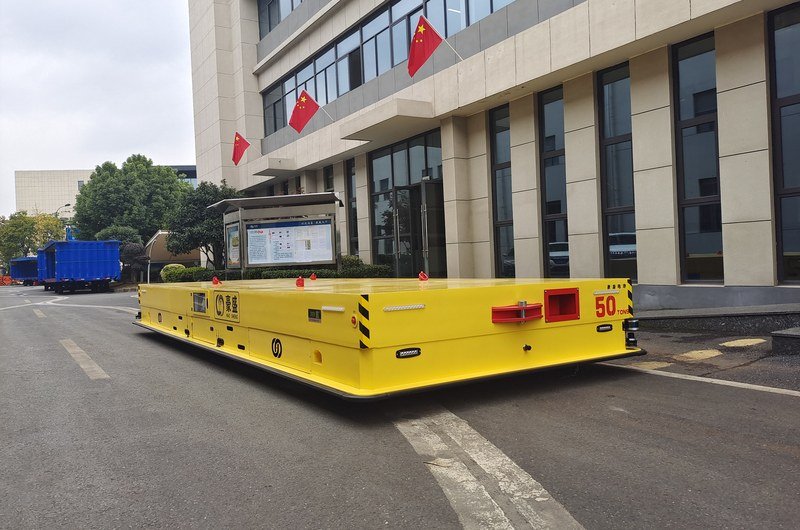
The metallurgical industry represents one of the most demanding environments for material handling due to the sheer scale and weight of raw materials. Traditionally, copper, aluminum refineries and steel mills relied heavily on overhead cranes and heavy-duty forklifts to move massive coils. However, these methods often result in high operational costs and increased risk of material damage during transport. HENSEN AGV (Hangzhou Haosheng Electric Vehicles Co., Ltd.) addresses these challenges by deploying 50-ton smart AGVs specifically designed for metallurgical logistics. These autonomous units replace manual equipment, providing a level of precision that traditional operators cannot consistently achieve. By utilising specialised chassis designs, the vehicles handle dynamic loads with high stability, ensuring that delicate aluminium coils remain intact throughout the transport process.
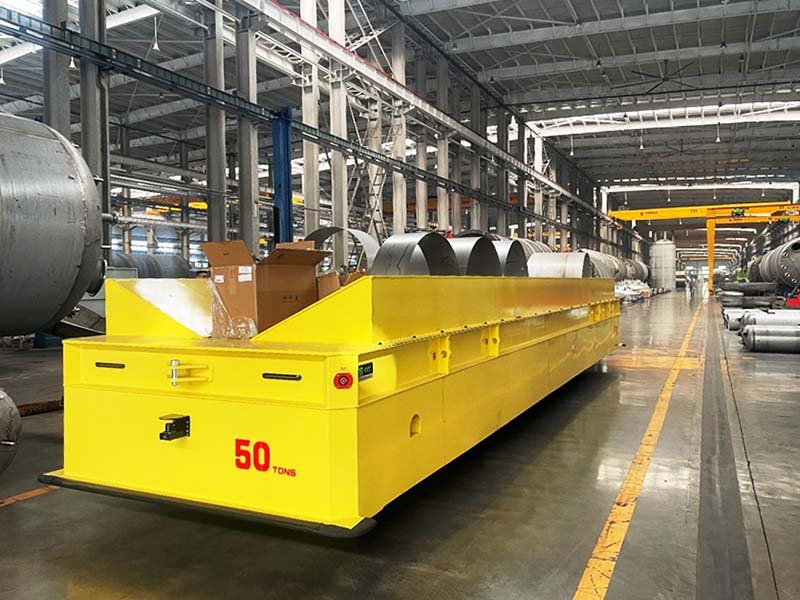
Technical adaptation remains a core component of success in metallurgical environments. High-frequency operations in these facilities require equipment that can withstand dust, heat, and intense duty cycles. Hangzhou Haosheng Electric Vehicles Co., Ltd. engineers its vehicles with robust protective layers and heat-resistant sensors to maintain long-term reliability. Furthermore, the integration of high-precision navigation allows these 50-ton units to dock with production machinery with millimeter accuracy. This level of integration streamlines the flow of materials from smelting to storage, significantly reducing bottlenecks in the production chain. Consequently, metallurgical facilities that adopt these autonomous systems report a substantial increase in safety and a reduction in long-term operational expenditures.
Transforming the Prefab Sector: The Logistics of Precast Concrete
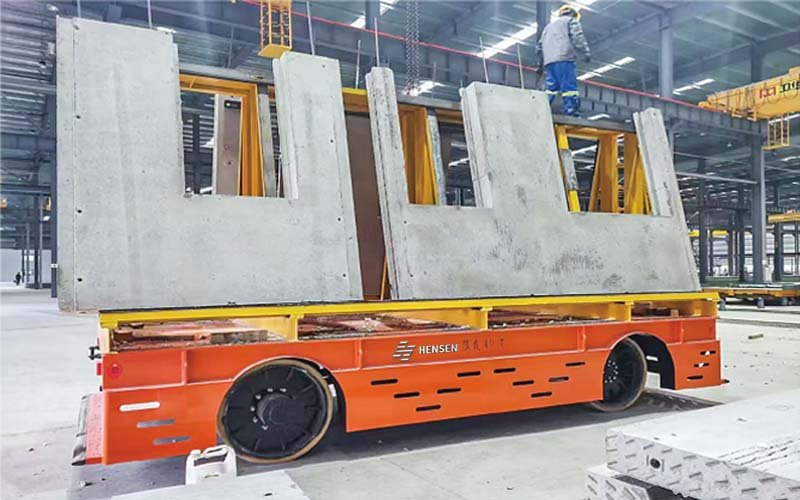
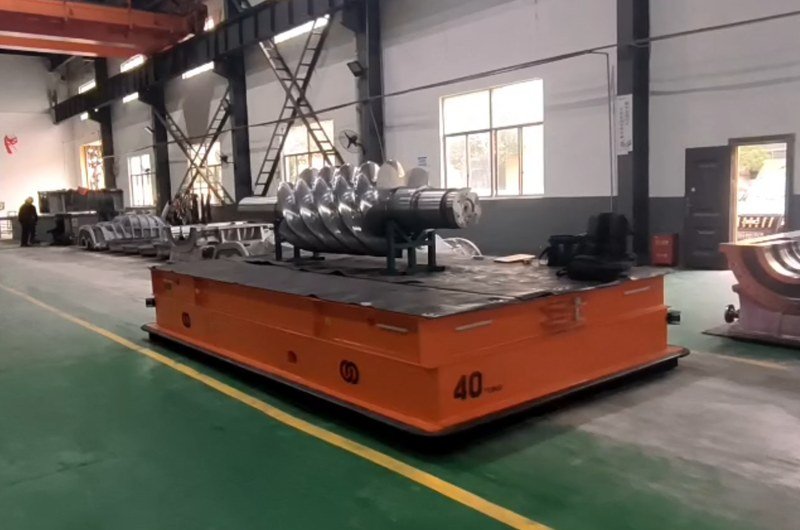
The construction industry is also undergoing a radical shift toward prefabrication, which requires the movement of massive precast concrete segments. These components often feature irregular shapes and high centers of gravity, making them notoriously difficult to transport within a production yard. HENSEN AGV provides specialized transport equipment for the precast concrete industry that manages these oversized loads with ease. Unlike standard warehouse robots, these heavy-duty transporters must operate on diverse terrains, including uneven outdoor surfaces and narrow factory aisles. To solve this problem, the manufacturer utilizes a proprietary “Walking Adaptive System” that adjusts motor torque in real-time to maintain stability on inclines or rough ground. The transition to autonomous transport in the prefab sector also addresses the critical shortage of skilled heavy equipment operators. By automating the movement of segments between casting areas and storage, Hangzhou Haosheng Electric Vehicles Co., Ltd. allows companies to maintain a consistent production pace regardless of labor market fluctuations. Moreover, the ability to perform omnidirectional movement proves essential in confined construction yards. These vehicles can move laterally and diagonally, allowing them to navigate tight corners with loads that would be impossible for traditional trucks. This spatial efficiency enables facilities to maximize their storage capacity and optimize their site layouts. As global demand for prefab buildings rises, these intelligent handling solutions provide the necessary infrastructure for rapid and safe urban development.
The Connectivity Spine: Integrating 5G and 2.4G for Massive In-Plant Logistics
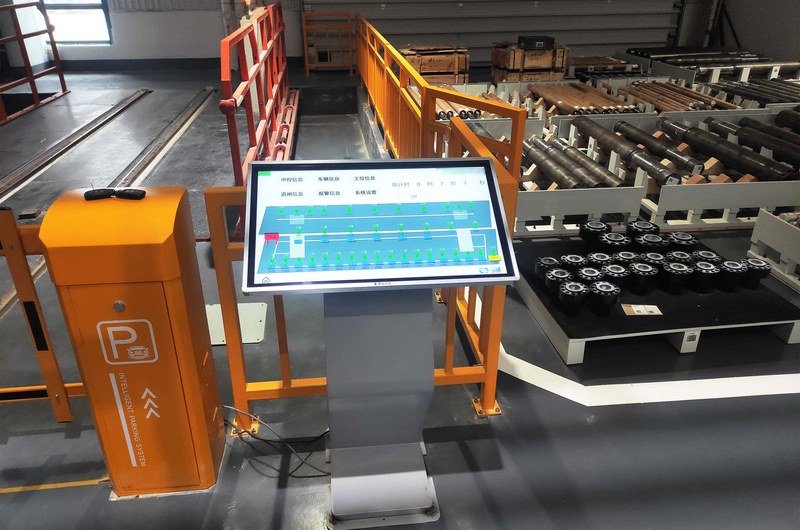
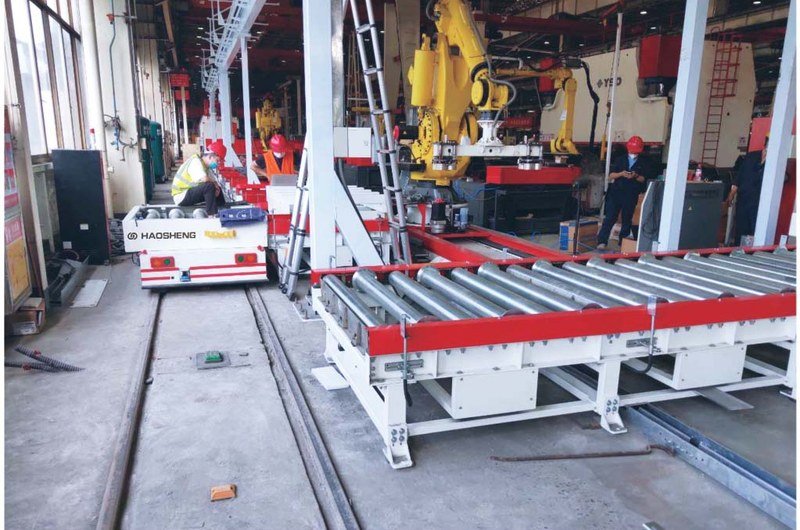
Effective fleet management in a sprawling industrial park requires a robust and low-latency communication infrastructure. As a leading China Heavy Load AGV Factory, the company has prioritized the integration of 5G and 2.4G wireless protocols into its technological framework. This connectivity spine allows for real-time data exchange between individual vehicles and the central control center. HENSEN AGV (Hangzhou Haosheng Electric Vehicles Co., Ltd.) utilizes this high-speed data flow to monitor the health, location, and load status of every unit in the fleet. In high-density environments where dozens of vehicles operate simultaneously, 5G technology provides the bandwidth necessary to prevent communication interference and ensure mission-critical reliability. The proprietary scheduling system acts as the digital orchestrator of this massive logistics network. By processing real-time telemetry, the software optimizes the routes of every vehicle to prevent congestion and minimize idle time. For instance, the system can dynamically reroute an AGV if it detects a temporary blockage on its primary path. Additionally, the integration of 5G allows for remote diagnostic capabilities, where engineers can monitor performance and troubleshoot issues from a different location. This level of technical integration ensures that the logistics system remains synchronized with factory-level Manufacturing Execution Systems (MES). Consequently, the flow of data becomes just as important as the flow of materials, creating a truly digitalized and transparent industrial ecosystem.
The China Speed Advantage: Rapid Customization and Global Cost-Efficiency
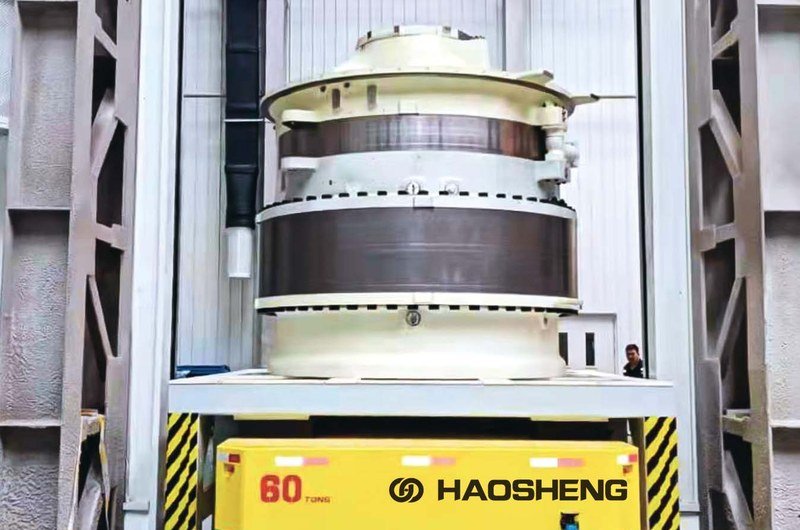
One of the primary drivers of global demand for Chinese-manufactured AGVs is the combination of rapid customization and cost-efficiency. While Western manufacturers often provide standardized models with long lead times, HENSEN AGV excels at delivering “Non-Standard” solutions tailored to specific industrial needs. This “China Speed” is the result of a highly integrated supply chain and a modular R&D approach. Hangzhou Haosheng Electric Vehicles Co., Ltd. can design, test, and deploy a custom vehicle in a fraction of the time required by traditional competitors. This agility allows global partners to respond quickly to changing market conditions or unique project requirements, such as a 600-ton capacity requirement or specialized explosion-proof environments.
Furthermore, the scale of production at the Hangzhou facility ensures that high-end technology remains accessible to a broader range of enterprises. By optimizing manufacturing processes and utilizing economies of scale, the company offers a superior Return on Investment (ROI) compared to traditional material handling methods. This cost-efficiency does not come at the expense of quality, as the manufacturer adheres to international standards like ISO 9001 and CE certifications. This balance of advanced engineering and competitive pricing lowers the barrier for entry for many medium-sized enterprises looking to modernize their logistics. As a result, the global industrial sector gains access to world-class automation that is both reliable and economically viable.
The future of global industrial logistics depends on the ability to integrate power, precision, and intelligence into a single cohesive system. As global industries move toward more sustainable and automated models, the role of specialized heavy-duty transport becomes increasingly vital. HENSEN AGV (Hangzhou Haosheng Electric Vehicles Co., Ltd.) continues to lead this transition by serving the specific needs of the metallurgy and construction sectors with innovative autonomous solutions. By focusing on vertical industry challenges and leveraging the latest in communication technology, the company helps redefine the limits of what is possible in heavy-load handling. Ultimately, the success of the global supply chain relies on the reliability of the equipment and the sophistication of the underlying software. Both elements remain central to the mission of this China Leading Heavy Load AGV Factory as it empowers the next generation of global logistics hubs.
For more information regarding heavy-duty selection guides and technical specifications, please schedule a free consultation now!

Leave a comment