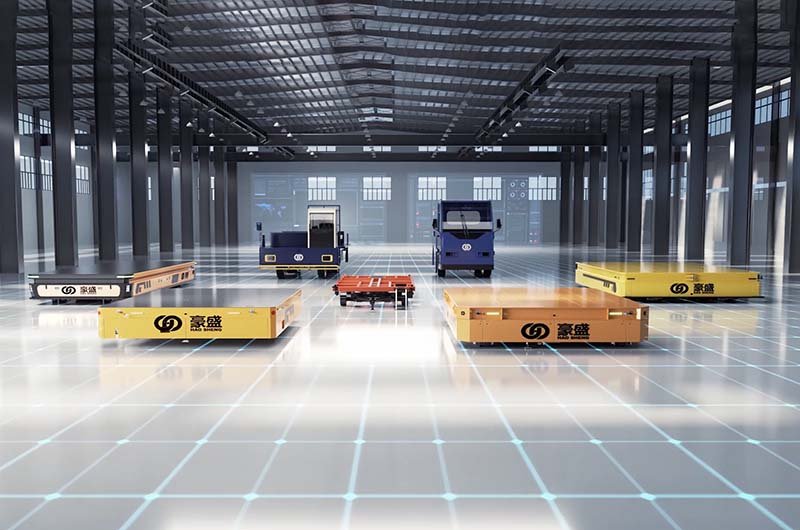
The global push toward industrial automation often encounters significant hurdles when transitioning from standard assembly lines to the extreme environments of heavy manufacturing. While light-duty robotics have become commonplace, the movement of massive components requires a specialized engineering approach that prioritizes both structural integrity and operational precision. During this complex transition, many enterprises struggle to identify equipment that balances payload capacity with navigational flexibility. HENSEN AGV has established itself as a Reliable Heavy Load AGV Selection Guide Company by providing the technical expertise necessary to navigate these high-stakes decisions. By moving beyond simple equipment sales, Hangzhou Haosheng Electric Vehicles Co., Ltd. offers a consultative framework that ensures industrial facilities select the optimal vehicle for their specific operational constraints. This methodology bridges the gap between raw power and intelligent coordination, fostering a new standard for efficiency in heavy industrial sectors like metallurgy, energy, prefabricated construction, etc.
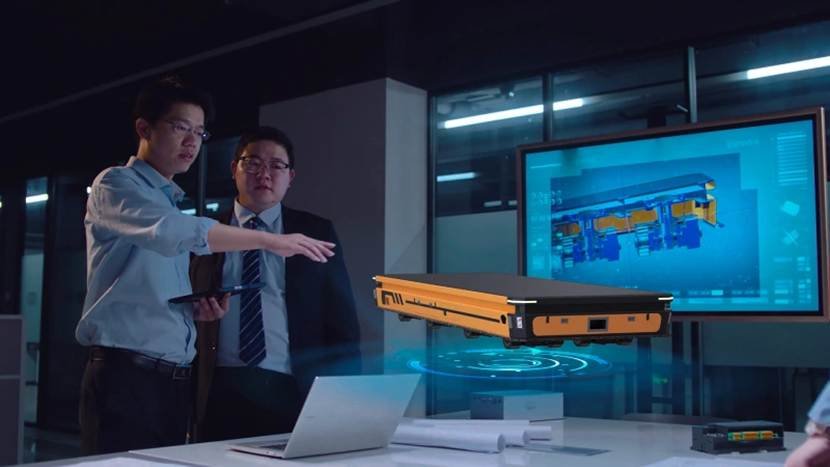
Assessing the Physical Frontier: Tonnage Dynamics and Structural Integrity
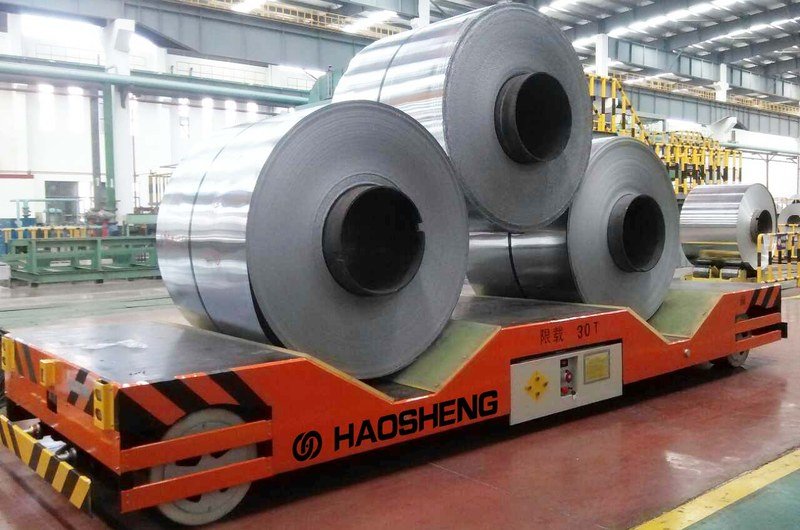
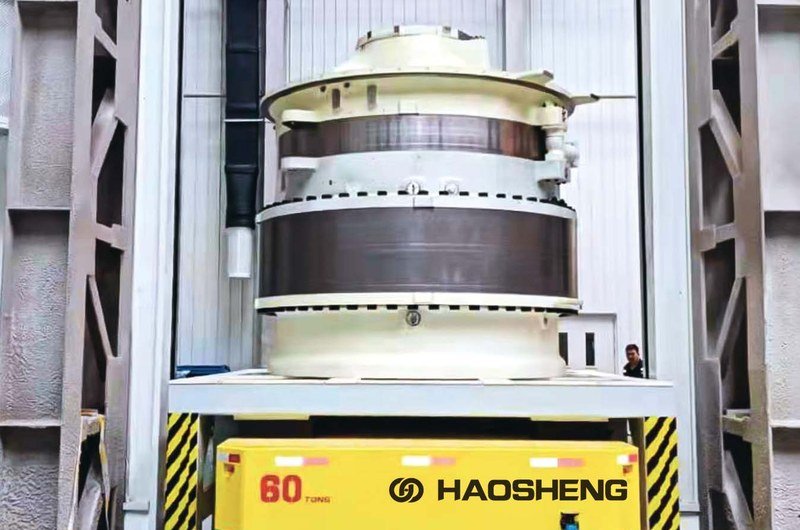
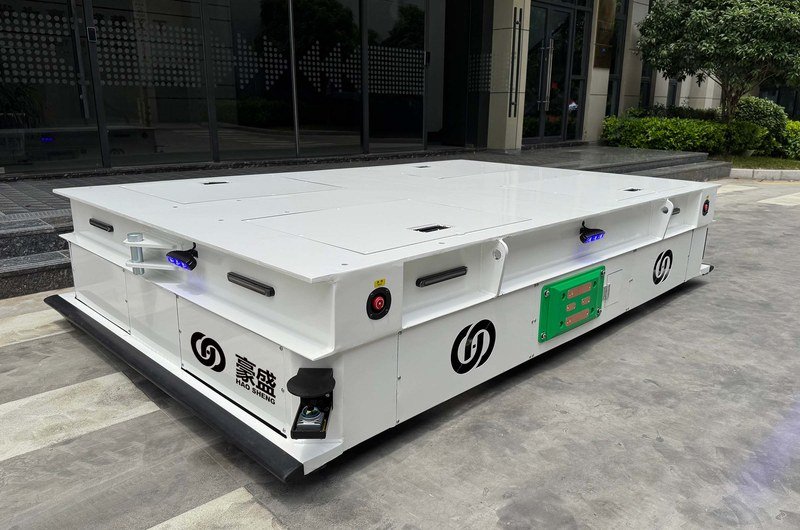
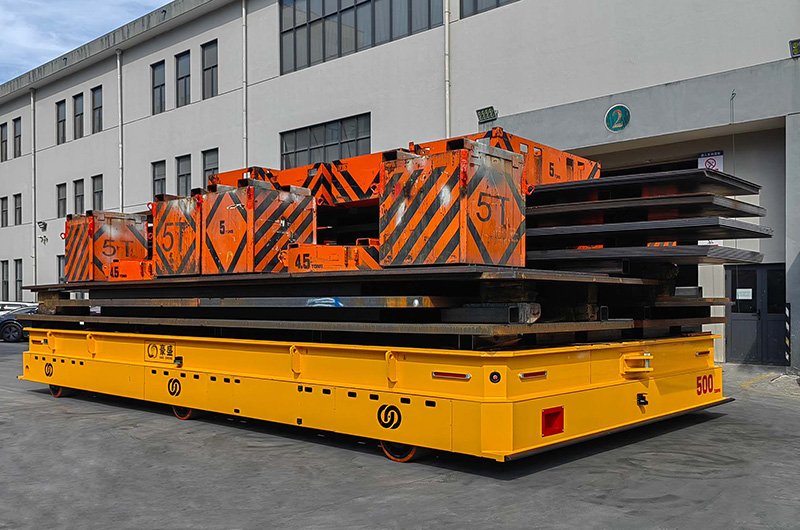
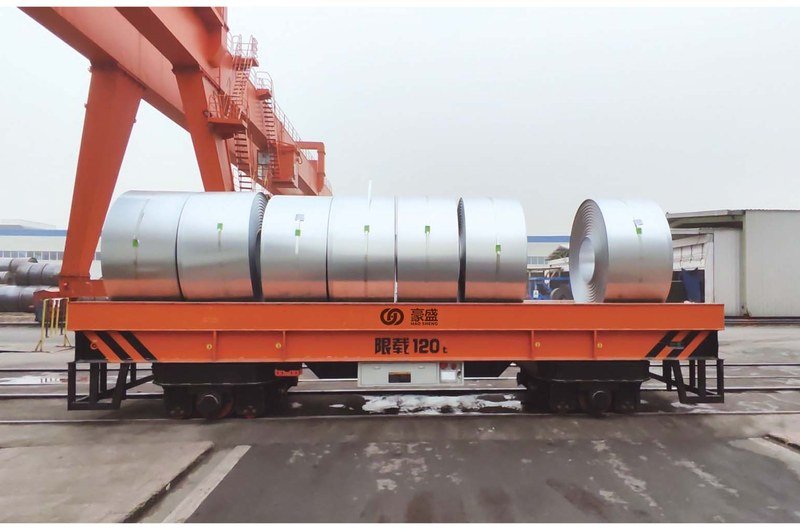
Determining the ideal load capacity involves more than just calculating the maximum weight of a product. Engineers must consider dynamic forces, load centers, and the structural limits of the facility floor itself. HENSEN AGV (Hangzhou Haosheng Electric Vehicles Co., Ltd.) approaches this challenge by analyzing how different weight classes, ranging from 1 to 800 tons, impact chassis design and suspension requirements. For instance, a vehicle designed for a 15-ton load in a foundry requires a significantly different structural DNA than a 600-ton unit built for shipyard logistics. In the foundry sector, equipment must withstand high temperatures and intense vibrations. Consequently, the company developed a custom 15-ton battery-powered flatbed transporter specifically for these harsh conditions. This vehicle utilizes a robust frame and specialized heat shielding to ensure long-term reliability where standard electronics might fail.
Moreover, the physical dimensions of the load dictate the movement patterns required for safe transport. When a payload exceeds traditional proportions, such as a massive wind turbine component, the vehicle must maintain stability during turns and transitions. Hangzhou Haosheng Electric Vehicles Co., Ltd. addresses this through advanced hydraulic systems and modular drive units that distribute weight evenly across multiple contact points. This engineering precision prevents floor damage and minimizes the risk of structural failure during heavy lifts. By evaluating these physical frontiers early in the selection process, the manufacturer helps clients avoid the costly mistake of underestimating the mechanical demands of their logistics environment. This thorough assessment forms the foundation of a reliable long-term automation strategy.
Sustaining the Flow: Energy Systems and Endurance Optimization
Operational continuity depends heavily on the energy efficiency and recharging strategy of an autonomous fleet. In high-throughput industrial environments, downtime for battery charging can create significant bottlenecks in the production chain. HENSEN AGV prioritizes energy system optimization as a key pillar of its selection guidance. Most modern heavy-duty units now utilize high-capacity lithium battery packs, which offer superior energy density and faster charging cycles compared to traditional lead-acid alternatives. These power systems support prolonged operations, allowing vehicles to complete multiple shifts without frequent intervention. Additionally, the integration of automatic charging protocols allows the vehicles to replenish their power during natural lulls in the production schedule.
For sectors like the precast concrete industry, where production continues around the clock, endurance becomes a critical selection metric. Transport equipment must move oversized concrete segments between casting areas and storage yards without interruption. Hangzhou Haosheng Electric Vehicles Co., Ltd. designs these systems to include smart energy management software that predicts power needs based on the current mission profile. If the system detects low battery levels, the vehicle can autonomously navigate to a charging station, ensuring that the logistics flow remains uninterrupted. This proactive approach to energy management reduces the need for oversized fleets, as each individual unit operates at maximum availability. By matching the energy system to the specific duty cycle of a factory, the company ensures a higher return on investment for its partners.
Navigating the Extreme: Non-Standard Customization as a Risk Mitigator
Heavy industry rarely conforms to the standardized layouts found in consumer goods warehousing. Facilities often feature narrow aisles, uneven outdoor surfaces, and hazardous zones that require specialized equipment. HENSEN AGV (Hangzhou Haosheng Electric Vehicles Co., Ltd.) treats non-standard customization as an essential risk mitigation tool rather than a secondary service. When a standard vehicle cannot meet the spatial or environmental demands of a site, engineers develop bespoke solutions. For example, the precast concrete industry often requires vehicles to handle loads with high centers of gravity while navigating tight outdoor turns. Specialized transport equipment designed for this sector incorporates omnidirectional movement, allowing for lateral and diagonal travel. These capabilities enable the vehicle to position oversized segments with millimeter precision, even in confined storage yards.
Environmental stressors such as dust, moisture, and chemical exposure also influence the selection of materials and sensors. In metallurgy plants, AGVs must operate near furnaces where ambient temperatures can fluctuate wildly. The selection guide process includes a detailed audit of these stressors to determine the necessary level of ingress protection and component durability. Furthermore, the manufacturer offers explosion-proof configurations for chemical and energy facilities where safety regulations are most stringent. By focusing on these extreme variables, the company ensures that the chosen vehicle remains functional in conditions that would degrade standard machinery. This commitment to durability reduces the total cost of ownership by extending the operational lifespan of the equipment.
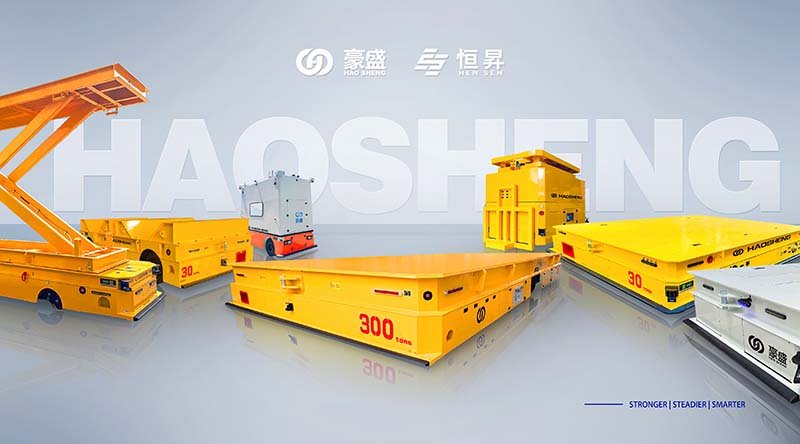
The Intelligence Layer: Software Integration for Total System Reliability
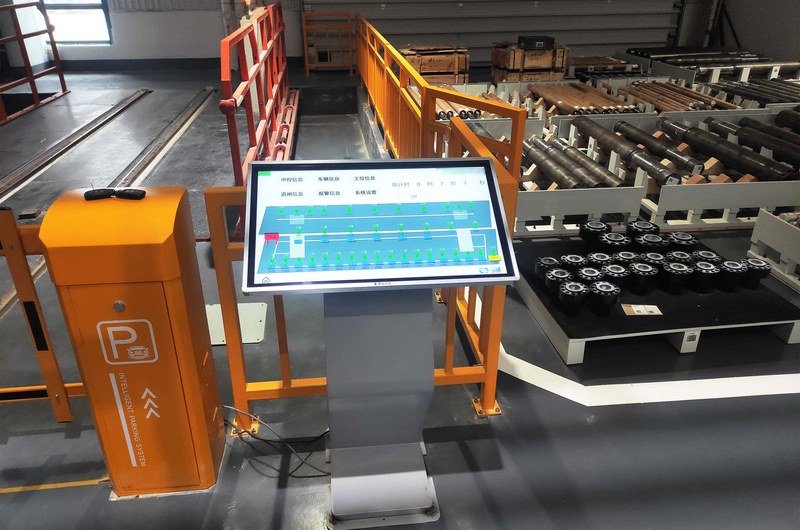
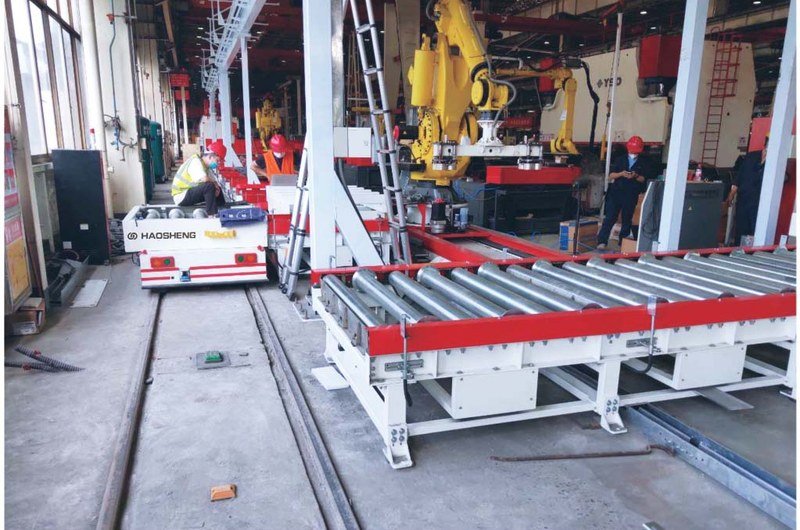
Hardware capability only represents half of the automation equation; the other half resides in the software that orchestrates the fleet. A reliable selection guide must consider how new autonomous units will communicate with existing factory infrastructure. HENSEN AGV developed a proprietary scheduling system that acts as the central nervous system for its transport solutions. This software manages the complex interactions between various vehicle types, including AGVs and RGVs, within a unified digital environment. It utilizes 2.4G or 5G wireless communication to provide real-time telemetry on every unit in the facility. This data includes precise location tracking, load status, and predictive diagnostics.
System reliability improves significantly when the scheduling software integrates with factory-level Enterprise Resource Planning and Manufacturing Execution Systems. This connectivity ensures that material handling missions align perfectly with production schedules. For instance, the system can automatically trigger a transport mission the moment a production robot finishes a task. Furthermore, the software provides a layer of safety by coordinating the movements of multiple vehicles to prevent congestion and collisions. As Hangzhou Haosheng Electric Vehicles Co., Ltd. continues to refine its digital tools, the focus remains on creating a user-friendly interface for facility managers. This allows operators to monitor complex logistics flows through a single dashboard, simplifying the transition to a fully automated warehouse.
Choosing a Solution Provider over a Product Manufacturer
The ultimate success of an automation project depends on the quality of the partnership between the manufacturer and the end user. Selecting the right vehicle is a journey that starts with an initial site audit and continues through final deployment and long-term support. HENSEN AGV (Hangzhou Haosheng Electric Vehicles Co., Ltd.) positions itself as a comprehensive solution provider that offers end-to-end consulting. This process includes rigorous testing and commissioning to ensure that every vehicle meets its performance benchmarks in a real-world setting. By providing comprehensive training for local staff and offering remote diagnostic support, the company ensures that its partners remain confident in their automated systems.
The future of industrial mobility relies on the ability to match sophisticated technology with the rugged demands of heavy industry. As global manufacturing becomes more complex, the role of a reliable selection guide becomes increasingly vital. Whether an enterprise needs to move 15-ton foundry molds or 800-ton shipyard segments, the principles of precision, durability, and intelligence remain the same. Through its commitment to technical innovation and client-specific customization, Hangzhou Haosheng Electric Vehicles Co., Ltd. helps industries redefine what is possible in heavy-load logistics. By choosing the right partner and the right vehicle, companies can future-proof their operations and achieve a new level of industrial excellence.
For more information regarding heavy-duty selection guides and technical specifications, please schedule a free consultation now!

Leave a comment