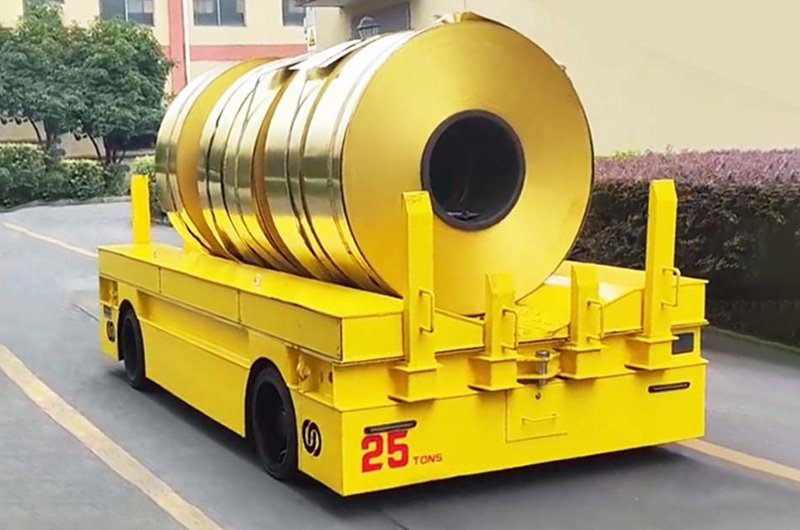
The modern steel production environment demands an uncompromising level of operational reliability and mechanical endurance. High temperatures, abrasive metallic dust, and the movement of massive payloads create a logistical landscape where standard transport equipment often fails. Consequently, metallurgy facilities must transition toward specialized automation to maintain safety and efficiency standards. Selecting a partner that understands these extreme variables is the most critical step in a facility’s modernization journey. HENSEN AGV functions as a specialized Custom Trackless Transfer Cart Factory that engineers high-capacity transport solutions specifically for the rigors of heavy industrial settings. By focusing on structural redundancy and precision control, Hangzhou Haosheng Electric Vehicles Co., Ltd. enables steel mills to move critical materials without the traditional constraints of fixed rail systems. This flexibility allows managers to optimize floor layouts while maintaining a high level of protection for personnel and assets. As global metallurgy players seek to modernize their in-plant logistics, four critical factors emerge as the primary benchmarks for evaluating a potential manufacturing partner.
Factor 1: Chassis Resilience and Structural Load Redundancy
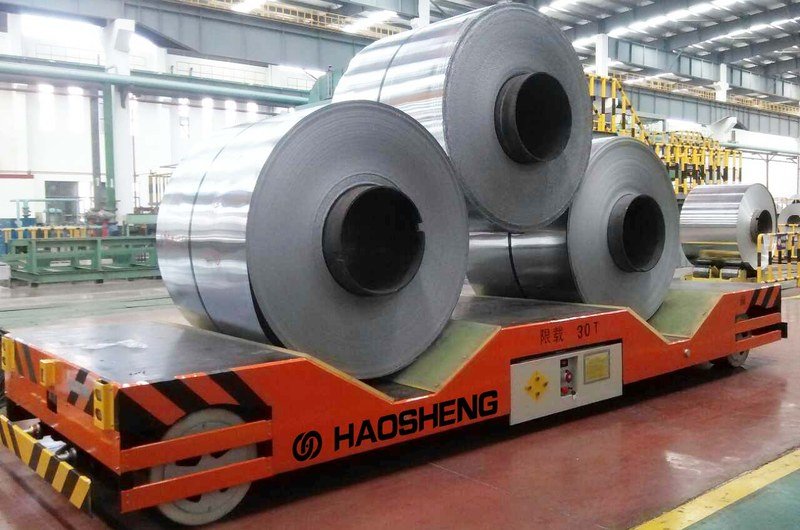
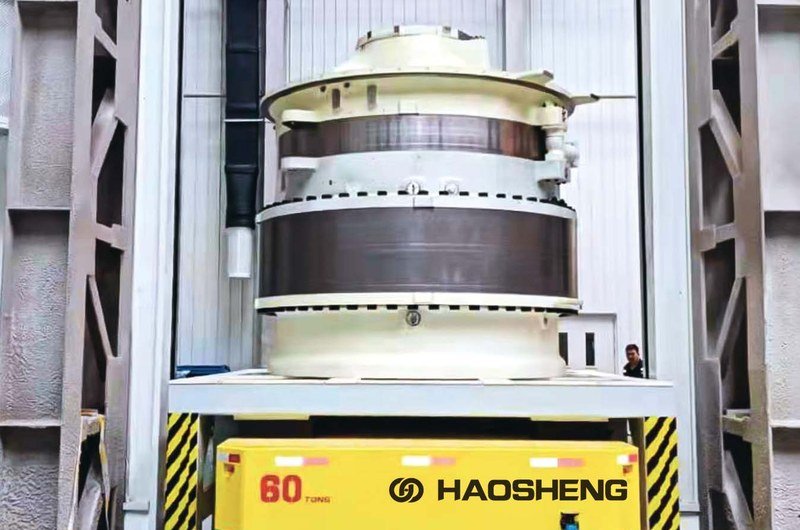
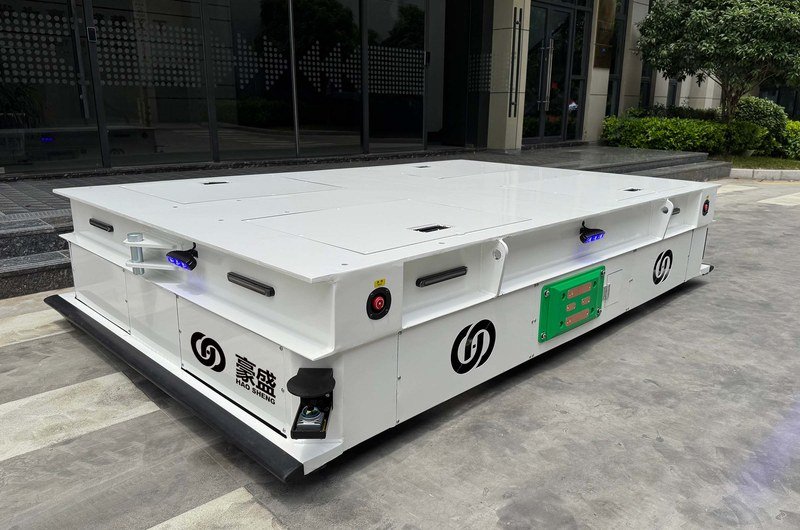
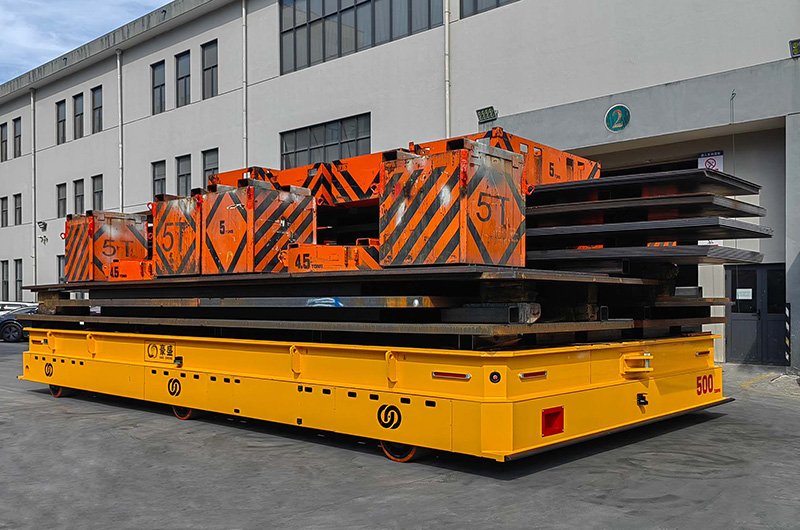
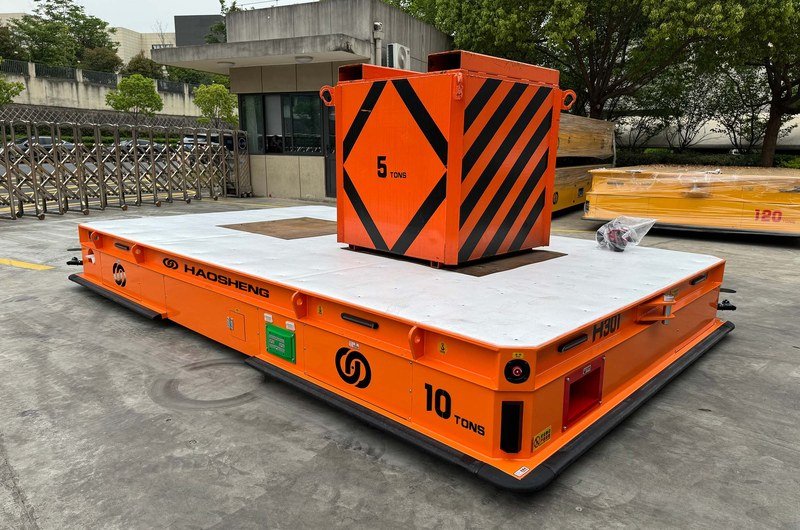
The physical integrity of a transfer cart begins with its foundation, particularly when handling loads between 3 and 100 tons. In the steel industry, the chassis must support not only the static weight of the material but also the dynamic forces generated during movement and braking. HENSEN AGV (Hangzhou Haosheng Electric Vehicles Co., Ltd.) addresses this by developing its WPX series chassis based on construction-machinery-grade engineering. This approach ensures that the vehicle possesses a robust structure capable of withstanding the immense structural stress inherent in moving molten steel or heavy ingots. Utilizing a high-strength frame prevents structural fatigue, which often plagues lighter, warehouse-grade equipment when repurposed for heavy industry.
Furthermore, structural load redundancy plays a vital role in preventing catastrophic failures during high-frequency transportation cycles. A reliable manufacturer integrates heavy-load suspension systems that distribute the payload evenly across all wheels, regardless of the terrain. This is particularly important on factory floors that may feature uneven surfaces or debris from the production process. Additionally, the use of maintenance-free AC motors reduces the long-term operational costs associated with brush replacements and motor wear. These high-efficiency drive systems include built-in speed and temperature sensors to monitor real-time performance. By prioritizing chassis resilience, the factory ensures that the vehicle serves as a durable asset for many years. This engineering philosophy transforms a simple transport tool into a mission-critical piece of industrial infrastructure.
Factor 2: Free-movement Solutions in Macro-Industrial Spaces
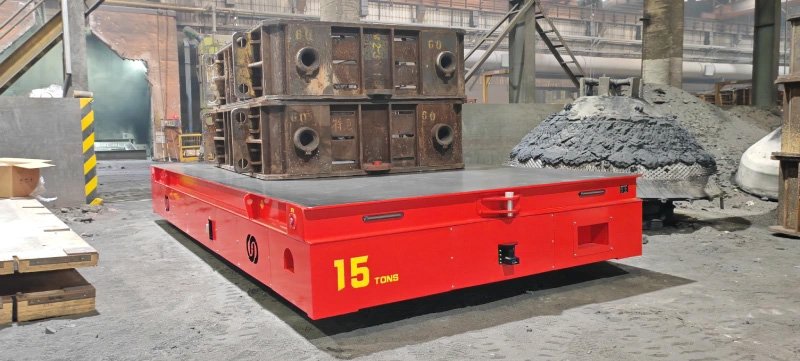
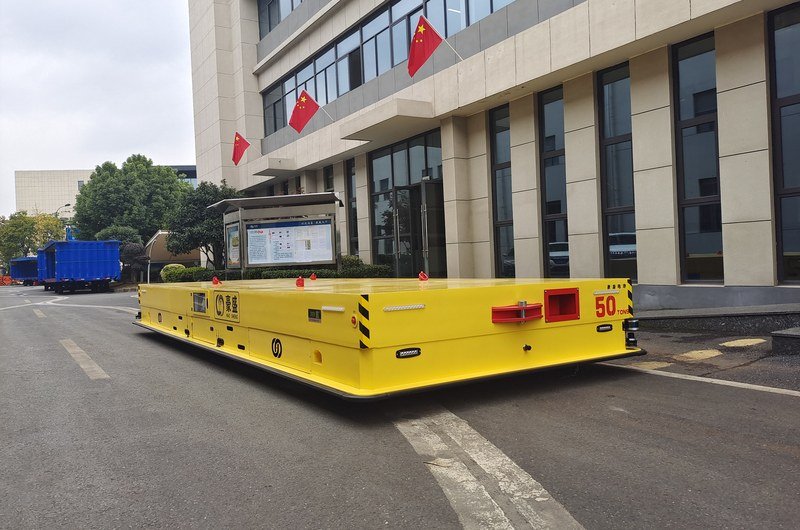
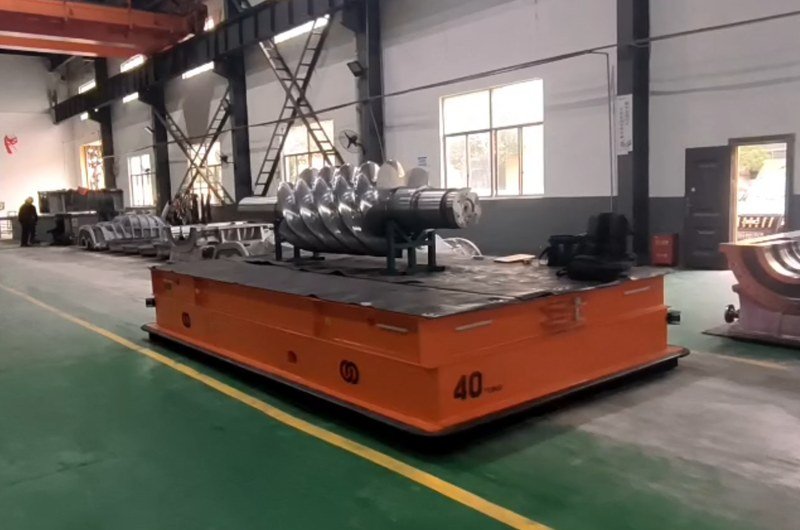
Traditional rail-based systems limit the flow of materials to a fixed path, creating bottlenecks and reducing the adaptability of the facility. In contrast, the trackless flat car WPX series offers free-movement solutions that allow for a more dynamic production flow.
The ability to perform omnidirectional movement provides another layer of operational flexibility. In narrow aisles where traditional turning radii are impossible, omnidirectional steering allows for longitudinal, lateral, diagonal, and spin-on-the-spot modes. This capability ensures that large vehicles can maneuver through tight spaces without the need for expensive floor modifications or the installation of permanent rails. Moreover, the direction-switching function enables forward and reverse changes without the complexity of traditional reverse operations. This makes the control of the vehicle significantly easier for operators using the dual-joystick wireless remote. By matching high-precision navigation with omnidirectional agility, a leading factory solves the spatial constraints that often hinder productivity in older metallurgy plants.
Factor 3: Multi-Layered Safety and Sensing Range Optimization
Safety is the ultimate priority in any environment involving heavy payloads and high heat. A trackless transfer cart must possess a comprehensive safety suite that detects obstacles and prevents collisions automatically. HENSEN AGV (Hangzhou Haosheng Electric Vehicles Co., Ltd.) integrates a proactive protection system featuring a safety sensing range of up to 10 meters. This long-range detection allows the vehicle to begin its braking sequence well before an encounter with a person or obstacle. Additionally, the carts feature flashing LED lights and intermittent audible alarms to alert personnel in the vicinity during travel and steering. These visual and auditory cues are essential in the noisy, low-visibility environments typical of steel production.
The control intelligence of the vehicle also contributes to its overall safety profile. The integration of high-frequency MOSFET technology into the integrated controller provides precise speed regulation. This ensures smooth travel and prevents jerky movements that could destabilize a heavy load. Furthermore, the controller features regenerative braking, which charges the battery during deceleration and provides an automatic parking brake function. This is critical for preventing anti-rollback on slopes, a common hazard when transporting heavy materials on inclined surfaces. All safety switches include test buttons, allowing operators to detect faults without specialized testing tools. By combining long-range sensors with intelligent braking logic, a top-tier manufacturer creates a safe buffer zone around the equipment, protecting both workers and the facility’s infrastructure.
Factor 4: Environmental Adaptation and Customization Experience
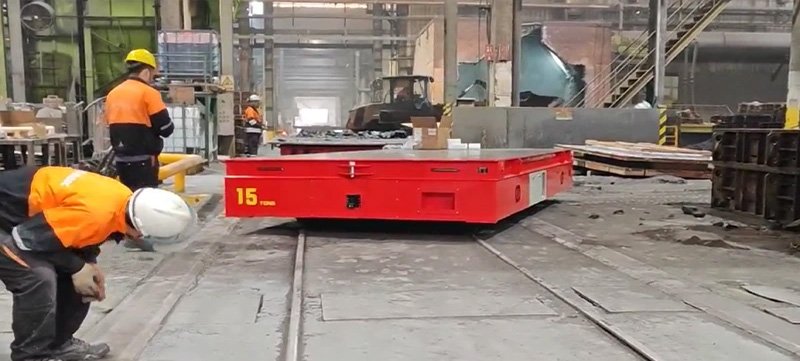
The final factor for evaluation is the manufacturer’s experience with niche customization for extreme conditions. Steel and metallurgy plants feature specific stressors, such as intense heat radiation and abrasive metallic dust, that can degrade standard electronics. HENSEN AGV has demonstrated its expertise in this area through projects like the custom 15-ton battery-powered flatbed transporter for foundry conditions. This specialized vehicle includes heat shielding for the battery and sensitive components, ensuring that the cart operates reliably near furnaces. Dust-proofing measures are also implemented to prevent metallic particles from infiltrating the drive system or navigation sensors. Such adaptations are not available on off-the-shelf equipment and require a deep understanding of metallurgical working conditions.
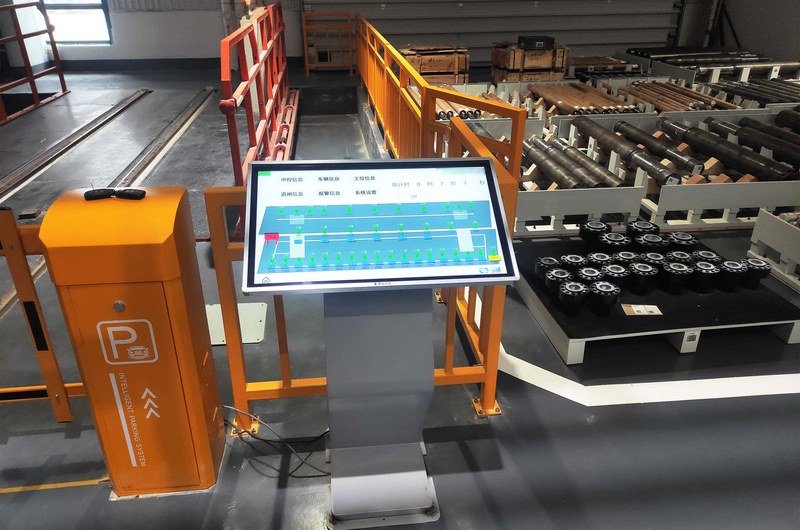
Digital integration also forms part of the customization process for modern factories. A reliable factory provides vehicle information data that integrates seamlessly with a client’s digital factory or MES system. The large-screen LED instrument panels on the carts offer remote fault diagnosis, making it easier for technicians to monitor battery levels and system health. Additionally, automatic maintenance reminders for components ensure that the vehicle remains in peak condition throughout its lifespan. By choosing a partner with a history of solving non-standard challenges, industrial leaders ensure that their investment is tailored to their specific environmental reality. This commitment to customization ensures that the logistics solution grows alongside the facility’s production goals.
In conclusion, the modernization of steel and metallurgy logistics requires a strategic focus on reliability, precision, and safety. Evaluating a manufacturing partner based on chassis resilience, navigation accuracy, safety integration, and customization experience provides a clear path to success. HENSEN AGV (Hangzhou Haosheng Electric Vehicles Co., Ltd.) continues to push the boundaries of what is possible in heavy-load transport by combining robust engineering with intelligent software. As global industries move toward more automated and safe production models, the role of specialized trackless transporters becomes increasingly vital. By selecting a partner that excels in these four critical factors, industrial enterprises can ensure long-term efficiency and a higher return on their automation investment.
For more information regarding heavy-duty selection guides and technical specifications, please schedule a free consultation now!

Leave a comment