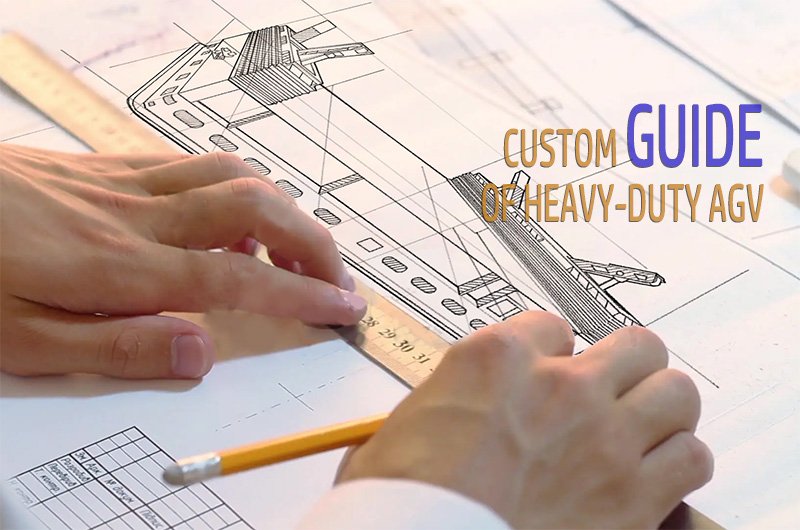
The transition toward high-capacity automation represents a monumental shift for heavy industry facilities across the globe. Unlike standard warehouse logistics, moving components that weigh hundreds of tons requires a level of engineering precision that few organizations can provide. Consequently, procurement teams often find themselves at a crossroads when selecting a technology partner for these high-stakes projects. A simple equipment acquisition does not suffice when the task involves 300-ton wind turbine components or oversized pipelines. Engaging with a reliable Custom Heavy-Duty AGV Manufacturer serves as the most effective way to mitigate operational risks and ensure long-term return on investment. HENSEN AGV has emerged as a key advisor in this sector by transforming complex engineering challenges into streamlined logistical assets. Hangzhou Haosheng Electric Vehicles Co., Ltd. provides the technical foundation necessary for these massive transitions. By prioritizing non-standard engineering over generic solutions, HENSEN AGV (Hangzhou Haosheng Electric Vehicles Co., Ltd.) helps industrial leaders navigate the complexities of modern automation.
Criterion 1: Beyond Catalog Specs—The Necessity of Non-Standard Customization
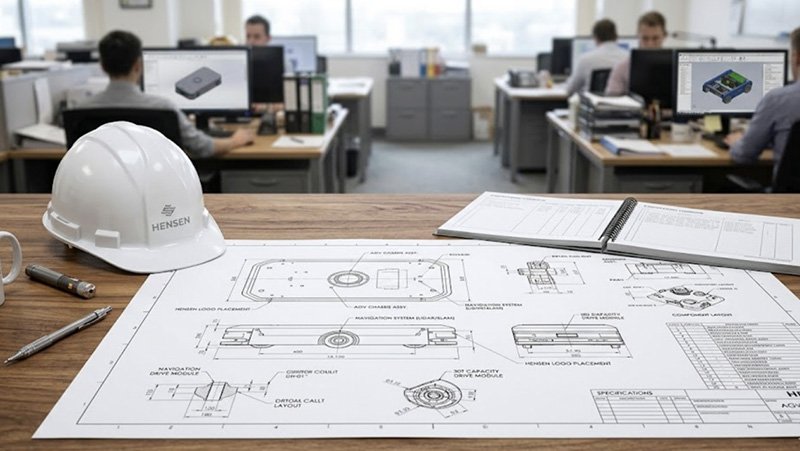
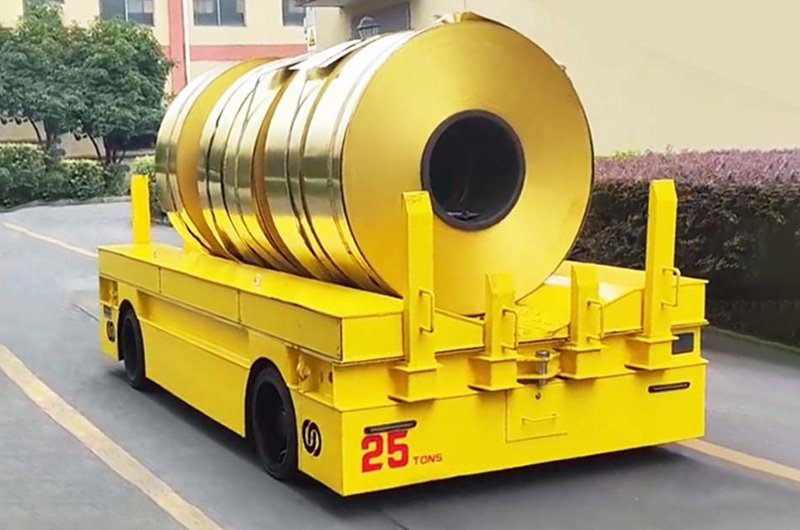
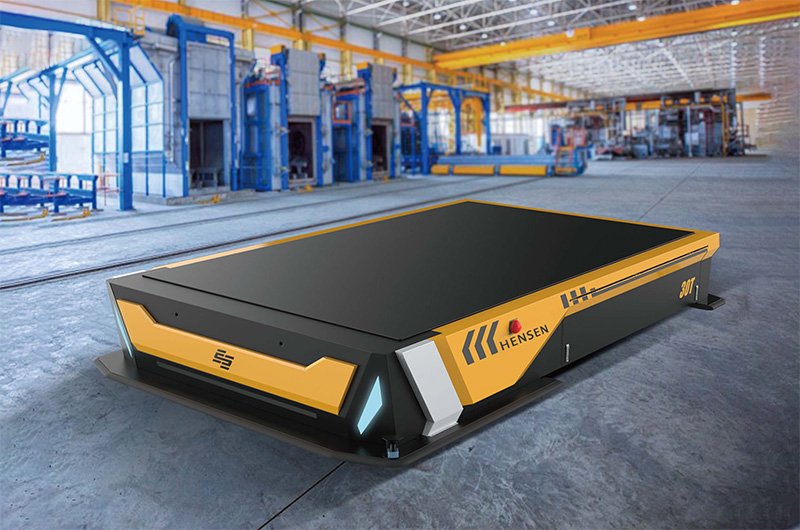
Most heavy industry facilities feature unique floor footprints, specialized environmental constraints, and irregular material shapes. Therefore, standard “off-the-shelf” logistics robots rarely meet the requirements of sectors like wind power, metallurgy, or pipeline manufacturing. A true engineering partner must look beyond a catalog of existing models to design a bespoke transport system. This process begins with a deep analysis of the facility’s specific workflow bottlenecks. Specifically, heavy loads often require unique load-bearing structures and custom chassis dimensions to maintain stability. For example, transporting a 40-ton oversized pipeline requires different mechanical logic than moving a 300-ton wind power generator. The ability to deliver non-standard solutions remains a primary indicator of a manufacturer’s technical maturity. Hangzhou Haosheng Electric Vehicles Co., Ltd. excels in this area by tailoring its drive modules and control systems to the specific tonnage of the project. Furthermore, the engineering team must account for environmental stressors such as metallic dust, high temperatures, or uneven surfaces. A custom-built chassis allows for the optimal distribution of weight, which protects the facility floor and prevents mechanical failure. In addition, the integration of specialized lifting or clamping mechanisms ensures that the AGV can interface directly with existing production machinery. Consequently, choosing a partner with a proven history of “Non-Standard” projects reduces the likelihood of expensive post-installation modifications.
Criterion 2: R&D Depth in Synchronous Control and High-Tonnage Safety
Research and development capabilities define the boundary between a simple lifting device and an intelligent handling system. In heavy industry, elevating ultra-large or ultra-heavy objects often demands precision beyond the capacity of standard equipment. This creates a critical need for high-precision synchronized lifting technology, where multiple lifting points operate in perfect unison to support a single load. Achieving this level of synchronicity requires advanced control algorithms and real-time feedback systems. HENSEN AGV (Hangzhou Haosheng Electric Vehicles Co., Ltd.) has mastered this technology, achieving a synchronization accuracy of ±1mm. This precision ensures the reliability of large-object lifting, guaranteeing safe and stable elevation while simultaneously extending the service life of the vehicle by minimizing structural stress. This R&D depth directly impacts the safety and efficiency of modern heavy-duty operations. Safety remains the most critical factor when navigating payloads that can exceed 100 tons in high-traffic zones. A reputable manufacturer must utilize a multi-layered sensor fusion approach to create a comprehensive safety buffer. The integration of 3D SLAM navigation and high-range laser sensors allows the vehicle to detect obstacles from a significant distance. Specifically, HENSEN AGV integrates safety sensing ranges of up to 10 meters, providing ample time for the heavy unit to decelerate smoothly. In addition, the use of mechanical contact edges and emergency stop protocols provides a final layer of protection for personnel. High-tonnage safety also involves “Walking Adaptive Systems” that monitor wheel traction and motor torque in real-time. These features prevent slippage on inclines and ensure the load remains stable during sudden stops.
Criterion 3: Proven Delivery Performance in Mission-Critical Environments
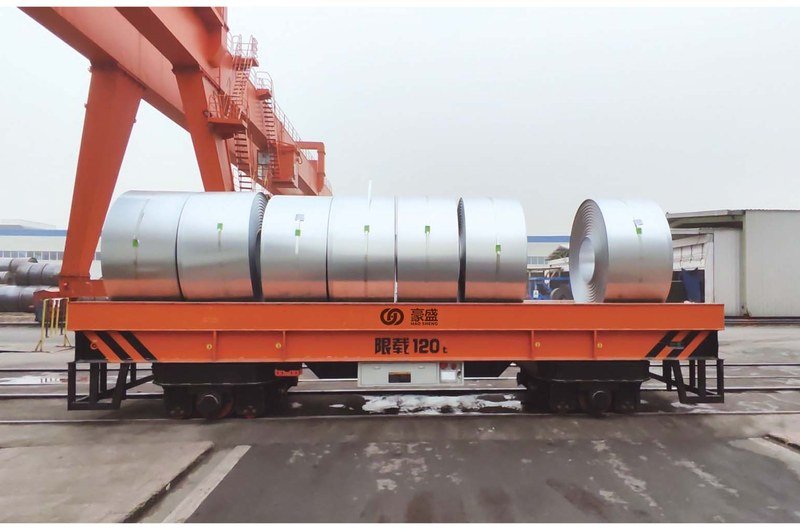
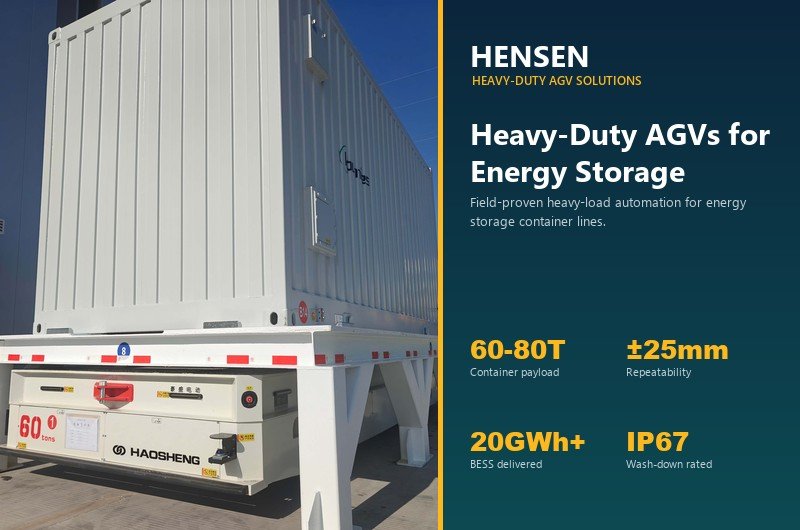
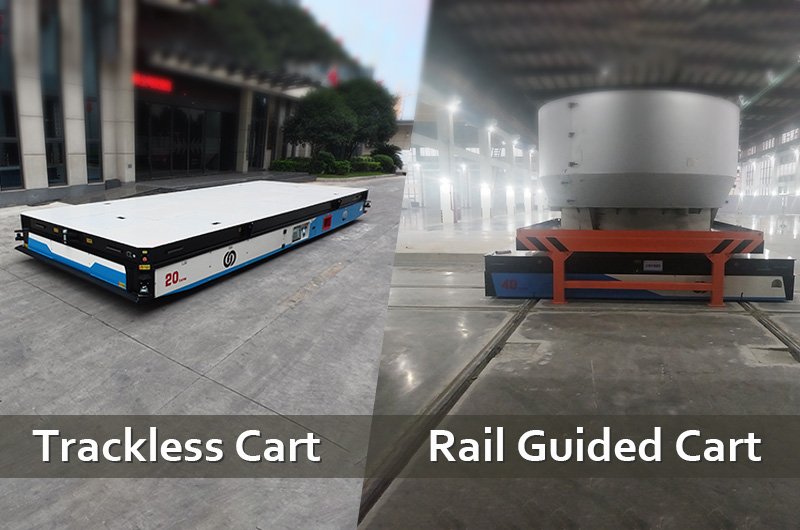
A history of successful project delivery serves as the ultimate validation of a manufacturer’s claims. Technical directors should scrutinize past case studies to determine if the vendor can handle the specific environmental stressors of their industry. For instance, the wind power sector requires exceptionally high tonnage capacities and precise positioning for assembly. HENSEN AGV successfully delivered a 135-ton RGV sub-mother car system specifically for wind power manufacturing. This project demonstrated the company’s ability to manage extreme weights within a synchronized rail-bound environment. This successful deployment allowed the client to significantly increase their production throughput while reducing manual labor risks. The ability to navigate high-interference environments also distinguishes a top-tier partner from the competition. In automotive steel tube manufacturing, high levels of metallic interference and dust can disrupt traditional navigation signals. Hangzhou Haosheng Electric Vehicles Co., Ltd. overcame these challenges by deploying heavy-duty 3D SLAM AGVs that operate reliably without physical markers. This delivery proved that the company’s navigation algorithms could maintain centimeter-level accuracy in the most demanding industrial settings. Furthermore, the successful delivery of a 300-ton heavy-duty AGV for the energy industry highlights the manufacturer’s capacity for extreme-scale engineering. Evaluating these real-world results provides buyers with the confidence that their chosen partner can handle the unique complexities of their specific facility.
Criterion 4: Long-Term Integration and System Resilience
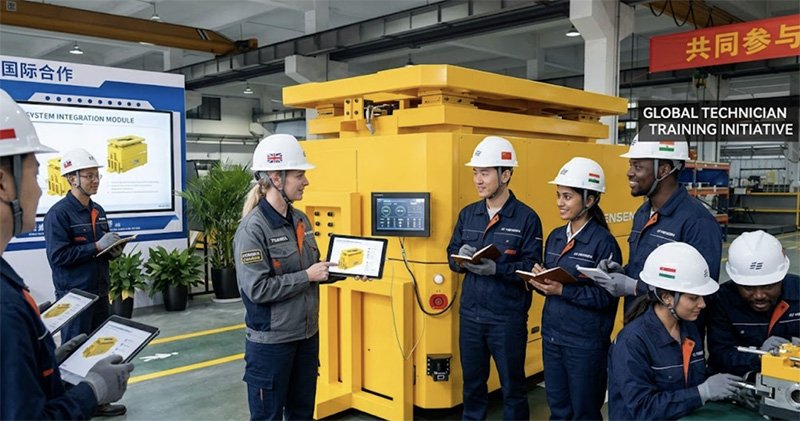
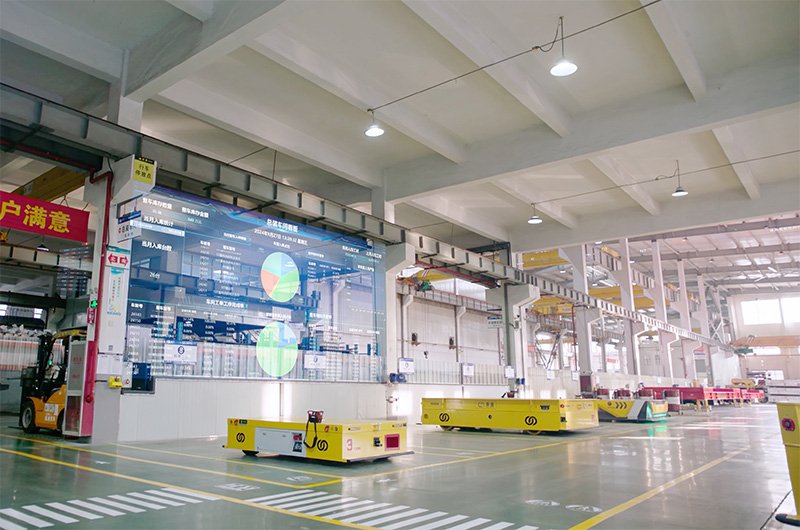
The final criterion involves the integration of the AGV system into the broader digital infrastructure of the factory. A modern heavy-duty transporter must function as a data-driven node within the Enterprise Resource Planning (ERP) and Manufacturing Execution Systems (MES). HENSEN AGV (Hangzhou Haosheng Electric Vehicles Co., Ltd.) utilizes a proprietary scheduling system that coordinates fleet movements based on real-time production data. This digital backbone allows for the dynamic rerouting of vehicles and the optimization of battery charging cycles. Furthermore, the scheduling software ensures that the logistics system remains resilient against communication disruptions or sudden changes in production schedules. System resilience also depends on the availability of robust after-sales support and remote diagnostic capabilities. Facilities like tunnel segment production lines operate on 24/7 cycles where any downtime results in massive financial losses. Therefore, a reliable partner must provide real-time monitoring and rapid field engineering support. Hangzhou Haosheng Electric Vehicles Co., Ltd. includes remote diagnostic tools in its control suite, allowing for the quick identification of electrical or software issues. In addition, automatic maintenance reminders and system health reports help prevent issues before they occur. This focus on long-term operational stability ensures that the investment in automation continues to yield benefits throughout the equipment’s lifespan. By choosing a partner that prioritizes system resilience, industrial enterprises can safeguard their production goals against unforeseen technical hurdles.
Conclusion: Advancing Industrial Safety and Efficiency Through Intelligent Heavy-Duty Automation
In conclusion, partnering with a high-capacity logistics specialist involves more than just comparing technical specifications. It requires a comprehensive evaluation of customization capability, R&D depth, proven delivery history, and digital integration. HENSEN AGV continues to lead the heavy industry sector by delivering reliable and intelligent transport solutions. Hangzhou Haosheng Electric Vehicles Co., Ltd. remains committed to helping global industrial partners navigate the challenges of the next industrial revolution. By following this guide, technical directors and procurement managers can select a partner that acts as a true extension of their engineering team. Ultimately, the success of a heavy automation project depends on the synergy between the manufacturer’s expertise and the facility’s unique operational needs.
For more information regarding heavy-duty selection guides and technical specifications, please schedule a free consultation now!

Leave a comment